
Pomsky hair has a talent for showing up everywhere, even after a fresh sweep and a lint roll. It clings to hoodies, drifts into corners, and gathers along couch seams like it pays rent. When the undercoat starts blowing, brushing can slide for a few days, and then tangles start forming behind the ears and along the collar.
That is where mobile pet grooming can feel like a real quality of life upgrade for both you and your dog. Instead of loading up the car and managing a noisy lobby, the grooming happens right outside your home. Many Pomskies stay calmer when the sights and sounds stay familiar, and that calmer mood usually carries through the whole appointment.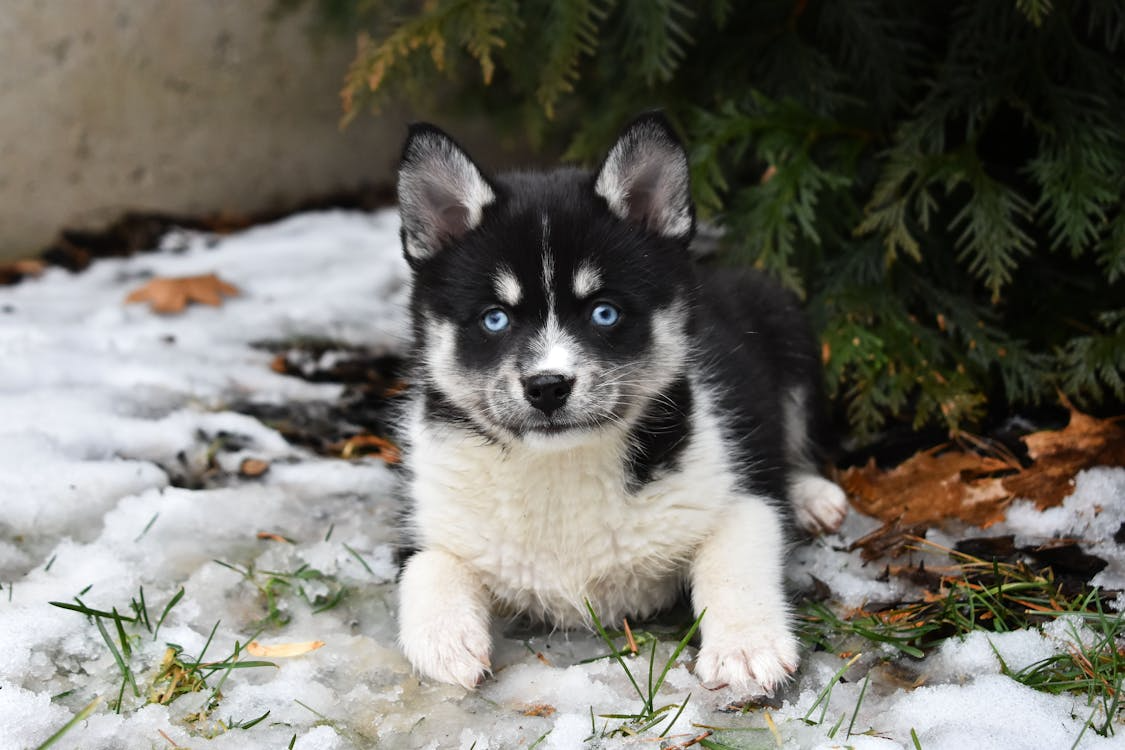
Photo by Julissa Helmuth
Quick Benefits Most Owners Notice Right Away
The time savings are nice, but the calmer rhythm is what most people notice first. There is no stressful drive, and there is no waiting room full of barking and movement. And when the process feels easier to book, it tends to happen more regularly, which helps a thick coat stay comfortable.
A home based visit also creates fewer friction points in your day, especially on busy weekdays. You are not working around strict pickup windows, and your dog is not spending extra energy just getting to the groomer. That little reduction in effort can make routine grooming feel more doable, not like a whole event.
Here are a few benefits that come up again and again for Pomsky owners, especially during shedding season. They are simple, and they show up in daily life without any guesswork. They also line up with the coat and temperament traits that make Pomskies a bit extra at times.
- Less stress from car rides, crowded spaces, and unfamiliar dogs nearby.
- Easier scheduling, so coat care stays consistent during heavy shedding weeks.
- More comfort for seniors and anxious dogs who do better with a slower pace.
- More frequent checks for paws, ears, nails, and skin under dense fur.
Less Stress Helps Pomskies Stay Calm And Safer
Pomskies tend to be alert, and that can be part of what makes them fun to live with. At the same time, busy salons can feel like sensory overload, with dryers running, dogs barking, and strangers moving around fast. Even when a groomer is gentle, the environment can keep a nervous dog on edge.
Home grooming often feels steadier because the setting does not change. Your dog is not taking in a dozen new smells, and you are not trying to keep things calm in a crowded room. When a dog is calmer, the groom usually goes safer too, because there is less twisting, pulling, and sudden bolting during sensitive moments.
This matters with thick coats because problems can hide until the fur is parted. Mats can trap moisture and debris close to the skin, and they can tug in a way that makes dogs flinch. Texas A and M Veterinary Medicine lists keeping fur brushed and free of mats as a basic hygiene tip, and that is especially relevant for double coated dogs.
A slower pace can also help dogs who have had a rough grooming experience before. A groomer can pause for short breaks, and the appointment still moves forward without feeling rushed. Over time, many Pomskies relax more because each visit feels familiar, and the steps start to feel predictable.
Double Coat Care Feels Easier When The Routine Stays Regular
Pomskies can shed in waves, and the undercoat can pack down quickly when that starts. If brushing happens only once in a while, loose hair stays close to the skin, and the coat can feel heavy. From a distance everything looks fine, but up close the texture feels dense, and tangles show up around friction spots.
A steady routine helps because coat work is easier in smaller chunks. Regular brushing keeps air moving through the coat, and it also makes baths more effective. Drying matters too, because damp undercoat can hold odor and irritate skin, even after a solid rinse.
Home visits often support consistency just because the appointment feels simpler to keep. Without the drive across town, it feels more realistic to book before things get messy. And when appointments stay consistent, it is common to see fewer surprise mats and fewer stressful, long sessions.
Another quiet benefit is the extra set of eyes on small changes. A groomer may notice redness between toes, a flaky patch under the coat, or a tender spot that makes your Pomsky shift away. Those details are easy to miss during quick home brushing, especially when the coat is thick and your dog is wiggly.
What A Typical In Home Grooming Visit Feels Like
Most groomers follow a steady order, and dogs usually do better when the steps stay consistent. When your Pomsky knows what comes next, the whole appointment can feel less tense. That helps most with paws and nails, because those areas often trigger the biggest reactions.
A full visit often starts with coat work, because brushing out loose undercoat before the bath makes the wash and dry easier. After that comes the bath and rinse, followed by drying until the coat is dry down near the skin. Nails, paw pad checks, and ear checks usually come near the end, once your dog has settled into the routine.
This is what that flow often looks like in plain terms, without confusing package names. It also makes it easier to compare services, since you can see what is included. Some steps may vary with coat condition, and that is normal for double coated breeds.
- Quick coat check, then brushing to loosen undercoat and find tangles close to the skin.
- Bath and rinse with products that match coat type and skin needs.
- Drying until the undercoat is fully dry, since damp fur can lead to odor and itching.
- Nail trim, paw pad check, ear check, and light tidy trims where needed.
The at home setup usually stays simple, and it does not need to feel like a production. A potty break beforehand can help, and a calm hello often keeps the energy level steady. If your dog guards food, moving bowls away from the grooming path can reduce tension during the visit.
Fast Answers Pomsky Owners Ask Before They Book
Is in home grooming a good fit for anxious Pomskies?
Often, yes, because the environment stays familiar and the pace can stay gentle. Many anxious dogs do better when there is less noise and fewer dogs nearby. It also helps when the same steps happen in the same order each time.
How often does a Pomsky usually need grooming?
A lot of owners schedule a full groom every four to eight weeks, and shedding season can push that closer together. Between visits, brushing helps keep the undercoat loose, especially around the collar, hips, and tail. If mats start forming, shorter gaps usually feel kinder than letting things build up.
Will in home grooming reduce shedding around the house?
It can help, because undercoat removal works best when it stays consistent. A thorough brush out and full dry often remove loose hair that would otherwise drop on furniture and floors. You will still see fluff, but many owners say it feels more manageable week to week.
What about hygiene right after grooming at home?
Most dogs nap hard after a groom, so a quiet rest period is pretty normal. The CDC recommends washing hands with soap and water after handling animals and items that come into contact with them, which includes pet supplies and gear. Keeping that habit is simple, and it fits naturally into a grooming day.
A Simple Way To Keep It Consistent
In home grooming tends to work best when it fits your real schedule instead of fighting it. When your Pomsky stays calmer at home, the routine often becomes more consistent, and coat care feels less stressful. Over time, that can mean fewer tangles, fewer rough shed weeks, and a dog that feels comfortable more days than not.
