
You’ve probably seen it yourself: your dog’s nose glued to the ground, tail wagging like it’s tuned to a different frequency, ears half-listening while their brain’s gone off on a sniffing spree. That’s no glitch in the system. That’s your dog’s natural wiring doing what it was meant to do.
Scentwork, or nose games as some call it, turns that instinct into something both structured and rewarding. You’re not teaching your dog something new, you’re giving them permission to go all-in on one of the things they do best. And the payoff? Let’s just say it beats the usual game of fetch in both brainwork and satisfaction.
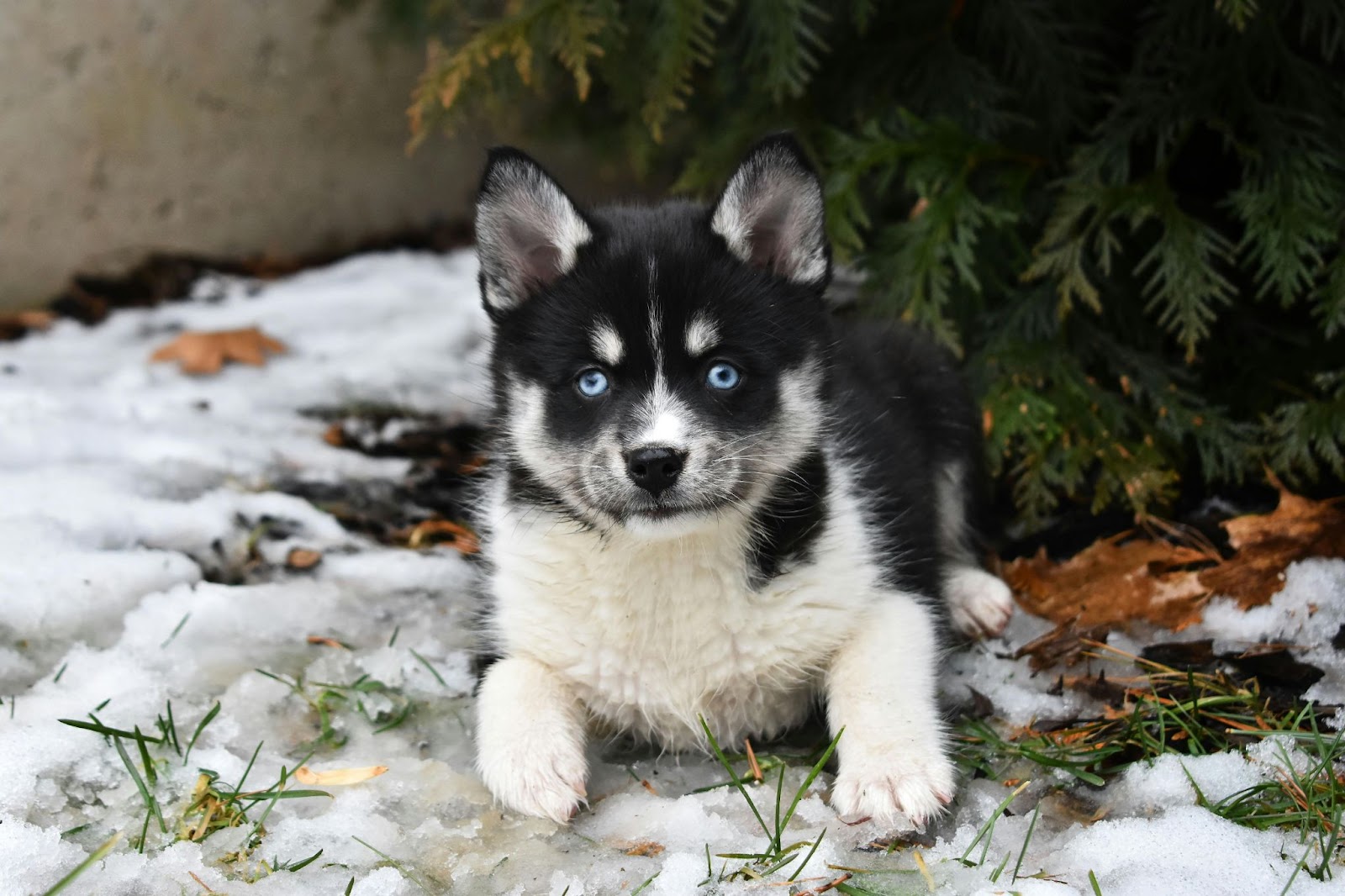
For dogs with spare energy spilling out their ears, or those who fret when you’re gone, this kind of sniffing play can work wonders. It sharpens their thinking, helps them stay calm under pressure, and builds the kind of quiet self-assurance you want in a household pet. Best of all, it doesn’t matter if you’ve got a Chihuahua, a Staffy, a blue-eyed runner like a Husky, a fluffy little Pomsky who thinks every smell is a mystery to crack, or a nine-year-old rescue mix who never learned how to sit on cue — any dog with a snout and some curiosity can get in on the fun.
 What You’ll Need to Get Going
Before you picture an entire garage converted into a doggie crime lab, take a breath. The startup list for scentwork is short and sweet. You’re probably holding most of it already.
Start with a stash of tasty bribes. Cooked chunks of chicken, bits of cheese, or whatever gets your dog drooling without wrecking their stomach. You’ll also need a few cardboard boxes or plastic containers (the kind you’d toss in the recycling without thinking twice), and a quiet corner of your home where the focus won’t be broken by phones, deliveries, or the cat knocking things off shelves.
If you decide to take things a little further down the track, you can bring in scented oils like birch or anise, which are used in more formal scentwork setups. But at the start? Keep it simple. Treats, boxes, and patience are your best friends.
Your First Nose Game: Find the Snack
Let’s walk through the starter activity, the dog training equivalent of kicking off your shoes and stretching before a jog.
Step one: Grab three boxes and line them up like a makeshift shell game. With your dog watching, stash a high-value treat under one of them.
Step two: Signal them to start sniffing. Some folks like to say “Find it!” or “Go sniff!” and let them get to work. No hints. Let their nose do the talking.
Step three: When they tap the right box, lift it and let them snag their prize. Celebrate like they just won gold.
Once that feels too easy, turn up the heat. Add more boxes. Hide the treat while they’re out of sight. Change rooms. Let them use their brain, not just their eyes, to problem-solve. That’s the whole idea.
Give That Sniff a Name: Adding a Cue
Now that your dog’s happily nose-down and focused, it’s time to add a bit of structure. Give them a spoken cue that tells them, “Right now, it’s nose time.” Choose a phrase that rolls off your tongue and sticks in your dog’s ear. “Find it” works for many, but you can go rogue with something like “Sniff it out” or “Go hunting” if that suits your style better.
The trick is consistency. Say your chosen cue just before your dog starts the search. Don’t change it up every other session. You want that phrase to be as familiar to them as the rattle of the treat jar or the click of the lead.
Every time they start sniffing in response to your cue (and not just because they saw you hide something) give them a pat, a cheer, or an extra nibble. You’re helping them learn that sniffing with purpose gets results, not just good luck or guesswork.
Keep Sessions Snappy and Sweet
You don’t need to run your dog through a military-grade scent drill. In fact, keeping your sessions short is part of the magic. Aim for five to ten minutes at a time, two to three times a week. That’s more than enough for their brain to switch on without frying the circuits.
Watch their body language. Are they tail-wagging and eager? Or are they starting to sniff the floor out of habit, not interest? If they seem distracted or sluggish, it’s probably time to call it. You want to wrap things up before the fun turns into a chore.
Finish each session on a win, even a small one. Let them find that last treat, then toss in a quick game of tug or a cuddle on the couch. That way, the next time you say “Find it,” their whole body will perk up like it’s playtime.
Want to Take It Further? Here’s What’s Next
Once you and your dog are nailing the basics, there are a few ways to spice things up. You can dip your toe into essential oil scent training, but be careful here. Oils like birch, clove, and anise are commonly used in formal scentwork, but they need to be handled with care and never applied directly to your dog.
Start small. Dab a drop onto a cotton ball and hide it in a vented container. The goal here isn’t to overwhelm your dog with smell, it’s to give them a new “target” to work with instead of food. Just like the early games, you can start simple and build from there.
Some dog owners find local scentwork clubs or online courses to help guide the next steps. And if you’ve got a competitive streak, there are even scentwork trials where your dog can strut their sniffing stuff on the big stage.
Final Thoughts
The best part about scentwork is that it doesn’t matter if your dog is a bouncy Labrador, a sleepy senior Cavoodle, or a rescue mutt with a mysterious past. Every dog, big or small, comes built with a nose that’s wired for the job. You don’t need fancy gear, a trainer’s badge, or a backyard the size of a cricket pitch. All you need is a handful of treats, a quiet corner, and a bit of patience.
Scentwork taps into something that’s already part of your dog’s wiring. And in the process, you’ll spot all sorts of unexpected wins: more confidence, calmer evenings, fewer chewed shoes, and a stronger bond built on shared success.
So next time your dog’s pacing or staring at the front door, don’t just hand over another chew toy, hand them a job to sniff out. You might be surprised how much they light up when their nose gets put to good use.
