
.svg)
- Why Pomskies have unique car safety needs
- Common travel risks many owners overlook
- How proper restraint supports behaviour as well as safety
- Simple ways to make car trips calmer and more secure
Pomskies are known for their energy, curiosity, and strong attachment to their owners. These traits make them engaging companions, but they also mean car travel requires more thought than simply letting them sit wherever they like. Whether it’s a short trip to the park or a longer drive, car safety plays a major role in protecting both your dog and everyone else in the vehicle.
Because Pomskies are a small to medium breed with a lot of alertness and movement, unsecured travel can quickly become distracting or dangerous. Understanding the risks and setting up the right support helps make car trips safer and more comfortable.
Why Pomskies need extra consideration in the car
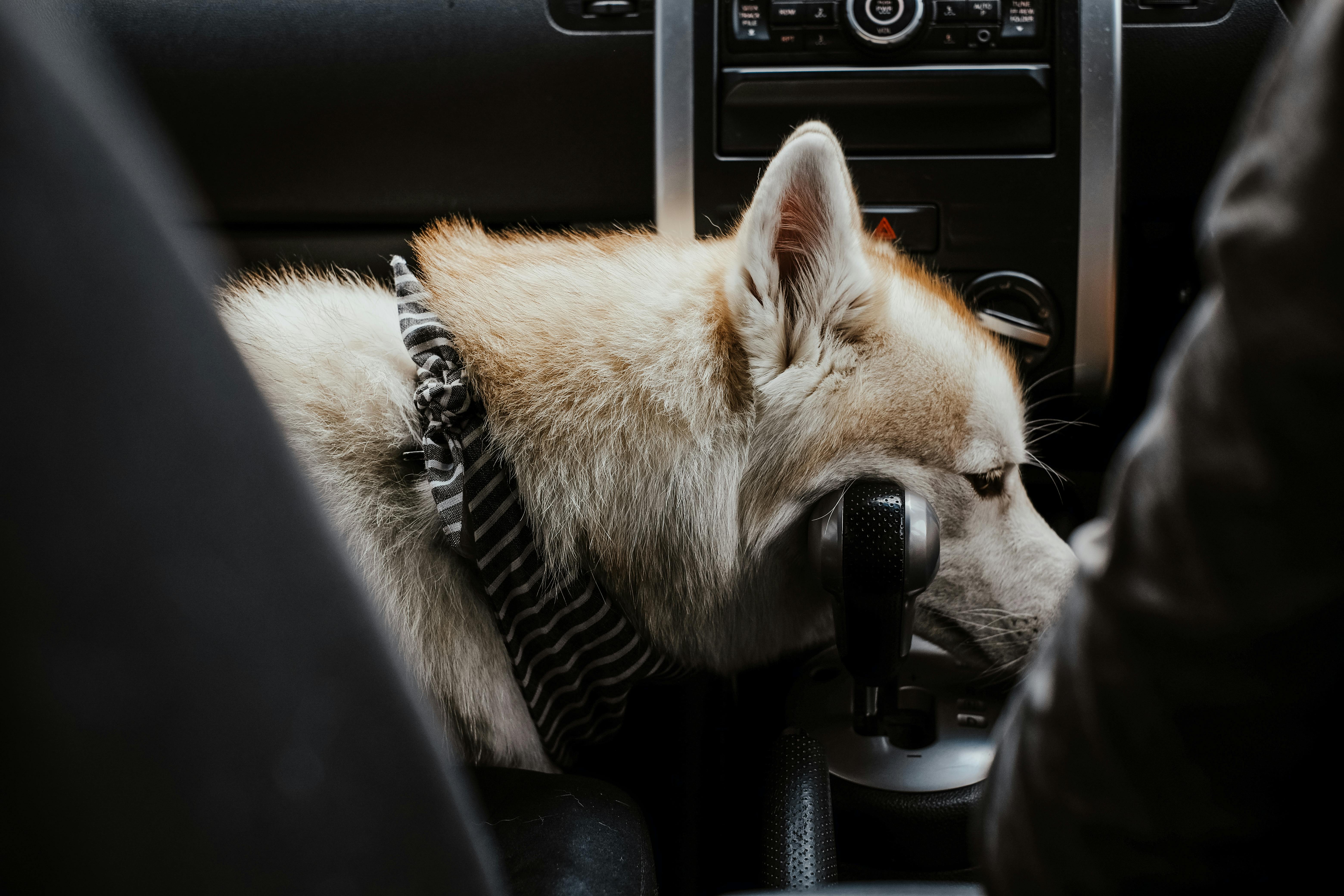
Pomskies tend to be highly responsive to their surroundings. Passing cars, noises, people, and movement outside the window can easily capture their attention. In a moving vehicle, this can lead to constant shifting, climbing, or attempts to move closer to the driver.
Their size can be misleading. While smaller than many breeds, Pomskies are still heavy enough to be injured in sudden stops or sharp turns if unrestrained. Even at low speeds, a loose dog can be thrown forward, increasing the risk of injury.
Car safety isn’t just about preventing accidents. It’s also about reducing stress and overstimulation during travel.
The risks of unrestrained car travel
Allowing a dog to move freely in a car can create multiple risks. A Pomsky that climbs onto the front seat or moves between seats can distract the driver at critical moments. Sudden braking can send an unrestrained dog forward with significant force.
There’s also the risk of injury from airbags, which are designed for adults, not dogs. In the event of an accident, a loose dog may also try to escape the vehicle, potentially running into traffic.
These risks exist even on familiar routes, which is why consistent restraint matters.
How proper restraint supports calmer behaviour
Using a restraint system doesn’t just improve safety. It can also help Pomskies feel more secure during travel. When dogs have a defined space, they’re less likely to pace, whine, or react to every external stimulus.
For smaller breeds like Pomskies, a dog car booster seat can provide elevation without allowing free movement. Being able to see out the window while remaining secured often reduces anxiety and restlessness.
When travel feels predictable and contained, dogs tend to settle more easily.
Comfort and visibility for smaller, alert breeds
Pomskies often want to see what’s happening around them. Complete restriction without visibility can increase frustration, especially on longer trips. Supporting visibility while maintaining safety is key.
Booster-style seating allows dogs to observe their surroundings while remaining properly restrained. This balance supports both mental stimulation and physical safety, helping reduce behaviours like scratching at seats or trying to climb.
Comfort also matters. A supportive surface that absorbs vibration and movement can make car rides less tiring.
Building positive car habits early
Pomskies are intelligent and quick to form associations. If early car experiences are chaotic or stressful, anxiety can develop over time. Introducing safe restraint early helps establish calm expectations.
Short, positive trips with proper setup encourage your dog to relax rather than anticipate excitement or stress. Over time, this consistency helps car travel become a routine part of life rather than a challenge.
Positive habits formed early often carry through into adulthood.
Legal and practical considerations
In many parts of Australia, drivers are legally responsible for ensuring dogs don’t distract them while driving. While laws vary, restraint systems help demonstrate responsible pet ownership and reduce liability in the event of an incident.
From a practical standpoint, restraint also protects your vehicle. Seats, interiors, and windows are less likely to be damaged when your dog has a designated space.
Safety and practicality often go hand in hand.
Choosing the right setup for everyday travel
Every dog and car setup is different. What matters most is choosing an option that suits your Pomsky’s size, temperament, and typical travel patterns. Consistency is more important than complexity.
Exploring options such as those in a dog car booster seat collection from Modern Pet can help you understand what works best for small, alert breeds without turning car safety into a complicated process.
Making car travel safer for everyone
Car safety for Pomsky owners isn’t about limiting enjoyment. It’s about creating an environment where your dog feels secure and you can focus on driving.
With the right setup, car trips become calmer, safer, and more enjoyable for both you and your dog. Thoughtful preparation ensures that every journey, whether short or long, supports wellbeing rather than putting it at risk.


.svg)
.svg)