
.svg)
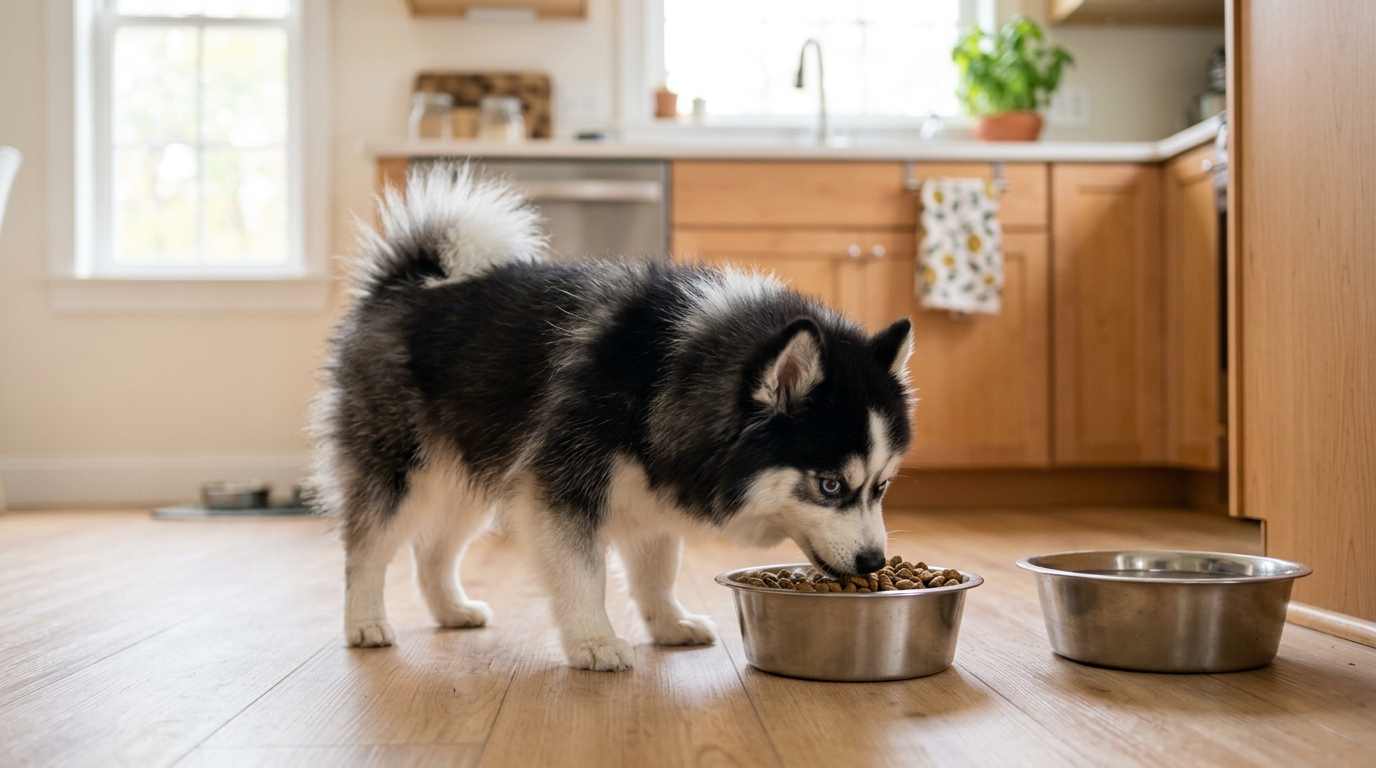
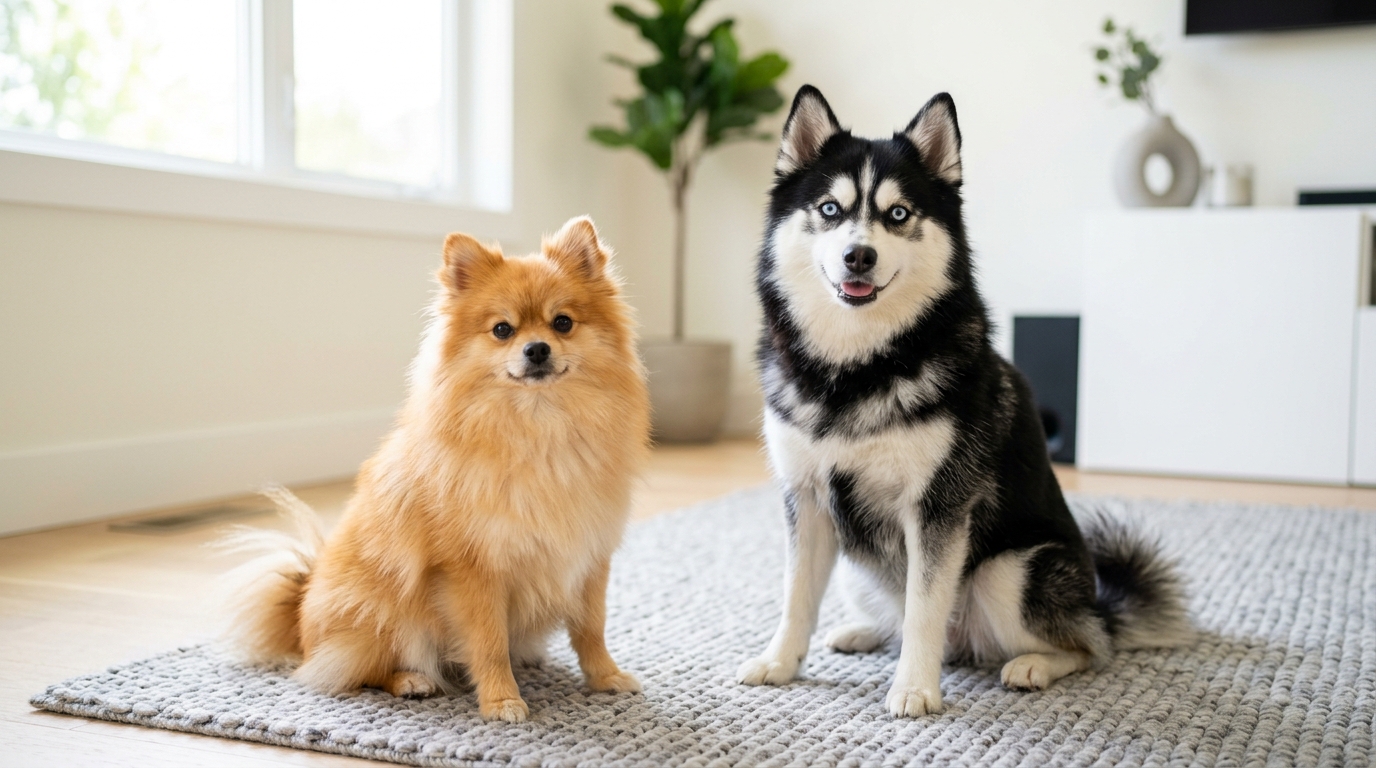
Feeding your Pomsky well is one of the simplest ways to protect their health, energy, and lifespan. As a mix of Pomeranian and Siberian Husky, a Pomsky is a small-to-medium dog with plenty of energy, so the right diet matters. The good news is that good nutrition is not complicated. It comes down to a solid base food, a few safe extras, and a clear list of foods to keep off the menu.
Your Pomsky's Nutritional Needs
Like all dogs, Pomskies need a balance of protein, fat, carbohydrates, vitamins, and minerals. Protein supports muscle growth and repair, fat fuels their energy and keeps that double coat healthy, and carbohydrates provide steady energy and fiber for digestion. Because Pomskies vary in size and activity level, their exact calorie needs differ from dog to dog, so portions should always be matched to your individual Pomsky rather than a one-size-fits-all number. Their Pomeranian side also makes dental care worth watching, so smart food and treat choices help there too.
Start With a Complete, Balanced Dog Food
The foundation of any good Pomsky diet is a complete and balanced commercial dog food that meets AAFCO nutritional standards for your dog's life stage, whether puppy, adult, or senior. Look for a food from a company with strong quality control and feeding-trial testing, and pick a formula suited to small-to-medium breeds. Grains are not inherently bad for most dogs, so there is no need to avoid them unless your vet has identified a specific allergy. The best food is the one that works for your individual dog and that your vet supports, so there is no single right brand for every Pomsky. When you switch foods, do it gradually over about 7 to 10 days to avoid stomach upset.
Healthy Foods You Can Share
Many whole foods make great occasional additions or treats, as long as they are plain and served in moderation:
• Lean cooked meats like chicken, turkey, and beef, with no salt, oil, or seasoning
• Cooked, deboned fish such as salmon or sardines, rich in omega-3s for skin and coat
• Cooked eggs, a good source of protein
• Carrots, green beans, and plain pumpkin
• Blueberries, and apple slices with the core and seeds removed
• Small amounts of leafy greens like spinach
• Plain cooked rice or oatmeal, which are gentle on an upset stomach
Keep these to small portions. Treats and extras of any kind should make up no more than about 10 percent of your Pomsky's daily calories.
Foods That Are Toxic to Pomskies
Some common foods are genuinely dangerous and should never be fed, not even as a taste. Keep these well out of reach:
• Chocolate and caffeine (coffee, tea, energy drinks), which contain methylxanthines that affect the heart and nervous system
• Xylitol, an artificial sweetener found in sugar-free gum, candy, some peanut butters, and baked goods, which can cause a dangerous drop in blood sugar and liver failure
• Grapes and raisins, which can cause sudden kidney failure, even in small amounts
• Onions, garlic, chives, and leeks, which damage red blood cells and can lead to anemia
• Macadamia nuts, which can cause weakness, tremors, vomiting, and overheating
• Alcohol, which is harmful even in small amounts
• Avocado, whose persin can upset a dog's stomach, and whose large pit is a choking and blockage risk
If your Pomsky eats any of these, call your vet or the ASPCA Animal Poison Control Center at (888) 426-4435 right away.
Foods That Can Cause Problems
A few foods will not poison your Pomsky but can still make them unwell:
• Dairy, since many dogs are lactose intolerant and can get gas or diarrhea
• Fatty or fried foods, which can trigger pancreatitis
• Cooked bones, which can splinter and cause choking or internal injury
• Heavily salted or sugary foods
When in doubt, leave it out.
How Much and How Often to Feed?
Set a consistent routine with measured portions at the same times each day. Most adult Pomskies do well on two meals a day, while young puppies usually need three to four smaller meals. Use the feeding guide on your dog food as a starting point, then adjust based on your Pomsky's weight, age, and activity. Small breeds can gain weight quickly, so keep an eye on body condition and keep treats modest. Always provide fresh, clean water, and wash the bowl regularly to prevent bacteria buildup.
When to Talk to Your Vet
Before any major diet change, or if your Pomsky has allergies, a sensitive stomach, or a health condition, check with your vet. They can recommend the right food, portion, and life-stage formula for your specific dog, and catch any concerns early at regular checkups.
Final Thoughts
Good Pomsky nutrition is mostly about consistency: a quality complete food, a few safe whole-food extras, strict avoidance of the toxic list, and portions matched to your dog. Get those right, keep fresh water available, and lean on your vet for the details, and you will give your Pomsky a strong foundation for a long, healthy life. For more Pomsky-specific guidance, our POA community is always here to help.

.svg)
.svg)