
.svg)

Pomskies are generally active, energetic dogs, but like any breed or crossbreed, they can be predisposed to certain health conditions.
Because a Pomsky is a cross between a Pomeranian and a Siberian Husky, it can inherit health concerns associated with either parent breed. This does not mean every Pomsky will develop these problems. Genetics, responsible breeding, lifestyle and preventative veterinary care all play an important role.
Understanding the potential risks simply helps you know what to look out for and what questions to ask when choosing a breeder.
Are Pomskies Healthy Dogs?
Many Pomskies live healthy, active lives.
Being a mixed breed does not automatically protect a dog from hereditary conditions, however. A Pomsky can inherit genetic traits from both sides of its family, so the health history of the parents matters.
This is why health testing is particularly important when breeding Pomskies.
For Pomeranians, recommended screening includes evaluations of the patellas, heart and eyes. For Siberian Huskies, recommended testing includes hip and eye evaluations, alongside testing for specific inherited neurological conditions.
Common Pomsky Health Concerns
There is no single condition that every Pomsky owner needs to expect, but there are several areas worth being aware of.
Patellar Luxation
Patellar luxation occurs when the kneecap moves out of its normal position.
It is a recognised concern in Pomeranians, which is why patella evaluation is one of the health screenings recommended for the breed.
Signs can include occasional skipping while walking or running, holding one back leg up temporarily or showing discomfort around the knee.
The severity varies considerably. Mild cases may require little intervention, while more serious cases can require veterinary treatment.
Hip Problems
Hip health is particularly relevant on the Husky side of a Pomsky's genetics.
Hip evaluation is among the recommended health tests for Siberian Huskies.
Problems with the hip joint can eventually lead to discomfort, reduced mobility or arthritis. Maintaining a healthy weight and providing appropriate exercise throughout a dog's life can also help reduce unnecessary stress on the joints.
Eye Conditions
Both parent breeds have recommended ophthalmologist evaluations, making eye health something Pomsky owners and breeders should take seriously.
Changes worth discussing with your veterinarian include cloudiness in the eyes, excessive watering, redness, difficulty seeing in low light or noticeable changes in how your dog navigates familiar spaces.
Routine veterinary examinations can help identify some problems before they become more advanced.
Heart Conditions
Cardiac screening is recommended for Pomeranians, so heart health is another consideration when looking at a Pomsky's family history.
Regular veterinary checkups allow your vet to listen to your dog's heart and investigate anything unusual.
You should also seek veterinary advice if your Pomsky develops symptoms such as unusual fatigue, difficulty exercising, persistent coughing or breathing difficulties.
Dental Problems
Smaller Pomskies can have relatively compact mouths, making dental care particularly important.
Plaque and tartar can accumulate over time and contribute to gum disease and tooth problems.
Getting a Pomsky comfortable with having its teeth brushed while still young can make dental care much easier later in life. Regular veterinary dental checks are useful too.
Skin and Coat Problems
With their thick double coats, Pomskies need consistent grooming.
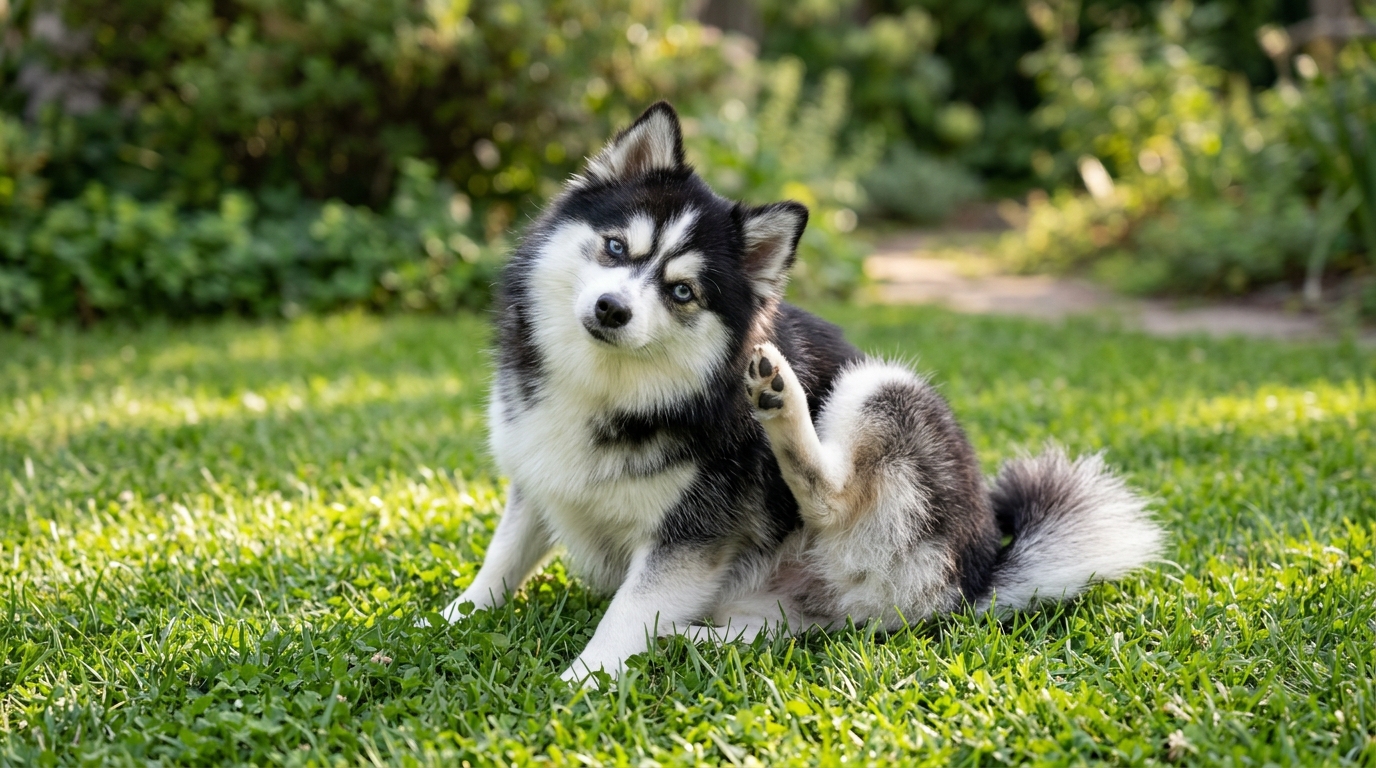
Owners may occasionally notice itching, irritation, excessive licking, dandruff or unusual hair loss. These symptoms can have many causes, including allergies, parasites and skin infections, so persistent changes are worth discussing with a veterinarian.
Regular brushing also gives you an opportunity to notice lumps, irritated areas or other skin changes early.
Why Health Testing Matters When Choosing a Pomsky
One of the most useful things a prospective Pomsky owner can do is ask the breeder about health testing.
The parents looking healthy is not the same as having appropriate screening completed.
Health testing can help breeders understand whether dogs carry or show signs of conditions known to occur within their genetic lines. The Orthopedic Foundation for Animals explains that screening does not guarantee an animal will never develop an inherited disease, but breeding from tested ancestry can help reduce risk.
A responsible breeder should be comfortable discussing the health of both sides of the puppy's family and explaining which tests have been performed.
What Should You Ask a Pomsky Breeder?
Before choosing a puppy, ask about the health history of both parents.
Find out which health tests were completed, whether you can see the results and whether any hereditary conditions have appeared in previous generations.
You can also ask about the health and longevity of puppies from previous litters.
Transparent answers are much more valuable than a promise that a puppy is completely free from future health problems. No breeder can realistically guarantee that.
How to Keep Your Pomsky Healthy
Good genetics provide a strong starting point, but everyday care matters throughout your Pomsky's life.
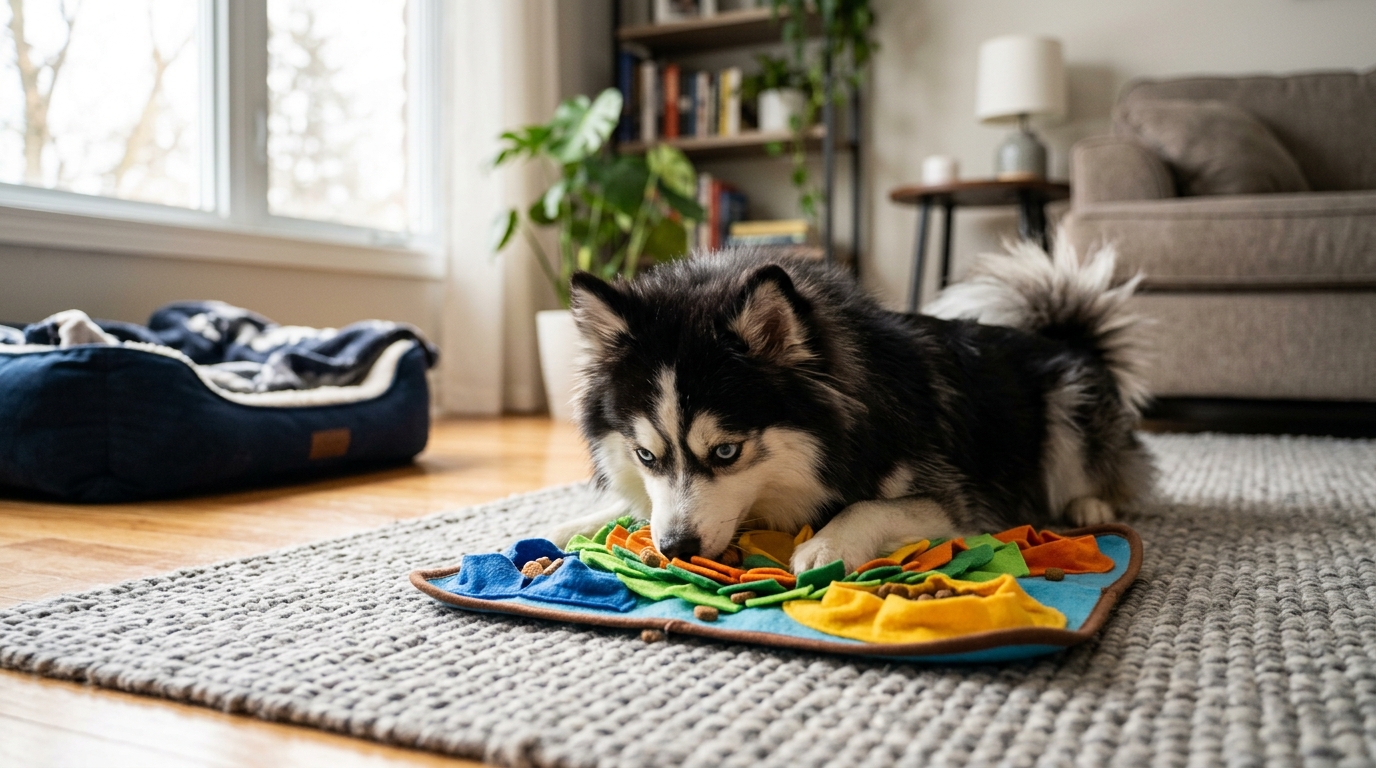
Keep your dog at a healthy weight, provide regular exercise and mental stimulation, maintain good dental and grooming routines and stay consistent with veterinary checkups.
Pay attention to changes in normal behaviour too. A dog suddenly becoming less active, struggling with stairs, eating differently or behaving unusually may be showing early signs that something is wrong.
You know your dog's normal behaviour better than anyone, which makes those small changes worth noticing.
How Long Do Pomskies Live?
Individual lifespan depends on genetics, size, lifestyle and overall health, so there is no exact number that applies to every Pomsky.
Choosing a responsibly bred puppy and maintaining preventative healthcare throughout their life gives your dog the best possible foundation.
Should Pomsky Health Problems Put You Off the Breed?
Potential health conditions should be part of the research you do before getting any dog.
A Pomsky may inherit conditions associated with Pomeranians or Siberian Huskies, but being aware of those risks allows you to make a more informed choice.
Look for a breeder who takes health testing seriously, ask about the puppy's family history and continue with regular preventative care once your Pomsky comes home.
That preparation can make a significant difference to the health and quality of life of your dog.


.svg)
.svg)