
.svg)
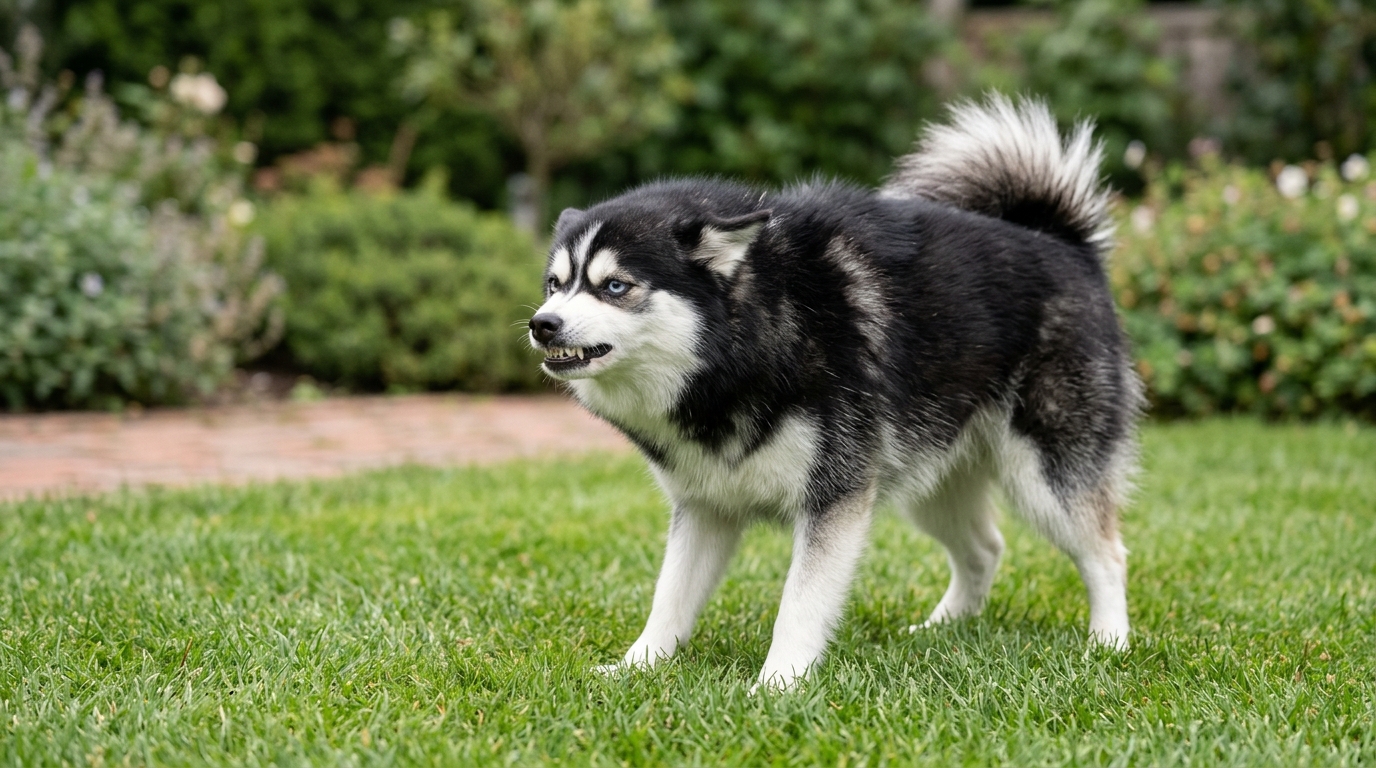
Pomskies are smart, affectionate, and generally friendly dogs. But like any breed, they can develop aggressive behaviors if their needs aren't met or if certain triggers aren't managed. The good news is that aggression in Pomskies is almost always addressable with the right approach.
If your Pomsky has been growling, snapping, or showing other aggressive behaviors, here's what's really going on and what you can do about it.
Why Is My Pomsky Aggressive?
Aggression in dogs is almost always a response to something, not a personality trait. Common causes in Pomskies include:
• Fear or anxiety (the most common cause)
• Resource guarding (food, toys, people, space)
• Overstimulation or frustration
• Lack of early socialization
• Pain or medical issues
• Territorial behavior
• Hormonal factors in unaltered dogs
Pomskies inherit traits from both parents. The Pomeranian side can bring protective and vocal tendencies, while the Siberian Husky side can bring independence and strong prey drive. Both parents can also lean toward small-dog syndrome if not properly socialized.
Rule Out Medical Issues First
Before assuming it's a behavior problem, schedule a vet visit. Sudden aggression can be caused by:
• Pain (hip dysplasia, luxating patella, dental issues)
• Thyroid imbalances
• Neurological conditions
• Vision or hearing loss
Any sudden behavior change in a previously calm Pomsky warrants a medical check first. Treating the physical cause often resolves the behavior.
Common Aggression Triggers
Pomskies tend to react to specific triggers rather than being aggressive all the time. Watch for:
• Strangers approaching their home or owner
• Other dogs on walks (especially larger ones)
• Someone reaching for their food bowl or toys
• Being picked up or restrained unexpectedly
• Loud noises or chaotic environments
• Children with unpredictable movements
Identifying the specific trigger is the first step. Keep a short journal of when the aggression happens, who or what was involved, and what happened right before.
Use Positive Reinforcement
The old "pack leader" or "alpha dog" theory has been debunked by modern animal behaviorists. Current best practice from certified trainers (CCPDT, IAABC, APDT) and veterinary behaviorists focuses on:
• Positive reinforcement: reward calm, desired behavior rather than punishing unwanted behavior
• Counter-conditioning: pair the trigger with something positive (treats, praise) to change your dog's emotional response
• Desensitization: gradually expose your Pomsky to the trigger at a low intensity, then slowly increase
• Management: avoid the trigger while you work on training (prevents rehearsing the behavior)
Punishment-based training (yelling, leash corrections, dominance rolls) often increases aggression and damages your bond with your dog.
Handling Resource Guarding
Resource guarding (growling or snapping over food, toys, or spaces) is common in small, protective breeds like Pomskies. Here's how to work on it:
• Never punish the growl. A growl is a warning, and punishing it teaches your dog to skip the warning and go straight to biting.
• Trade up: Offer a higher-value treat in exchange for the guarded item.
• Hand-feed meals: Builds trust that your presence near food means good things.
• Add to the bowl: Walk by during meals and drop in extra treats so your Pomsky learns your approach is positive.
• Give space when they're resting with a prized item.
If resource guarding is severe or involves biting, consult a certified behaviorist immediately.
When to Call a Professional?
Call a certified professional dog behaviorist if:
• Your Pomsky has bitten or broken skin
• Aggression is escalating despite your efforts
• You're afraid of your dog
• There are children or other pets in the home
• You're feeling overwhelmed or unsure
Look for credentials like a CPDT-KA (Certified Professional Dog Trainer, issued by the CCPDT), an IAABC-certified behavior consultant, or a veterinary behaviorist (DACVB).
Preventing Aggression Early
Prevention is far easier than correction. For Pomsky puppies and newly adopted adults:
• Prioritize socialization between 3 and 14 weeks of age (positive exposure to many people, dogs, places, sounds)
• Teach bite inhibition during puppy play
• Build trust through positive training sessions daily
• Provide adequate physical and mental exercise (Pomskies need both)
• Set up a calm, predictable home environment
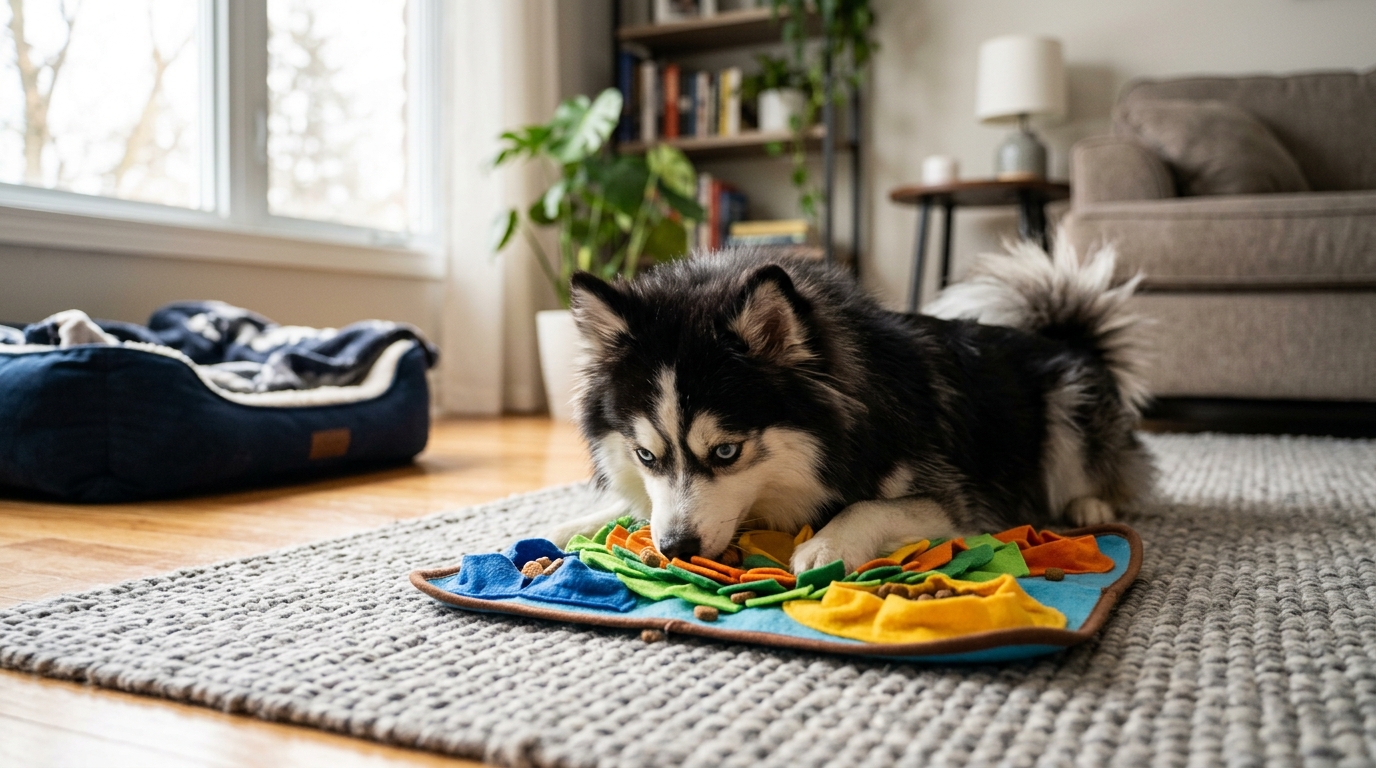
• Use enrichment toys to prevent boredom-based frustration
• Spay or neuter at the age recommended by your vet
• A well-socialized, well-exercised Pomsky with clear boundaries and positive training is extremely unlikely to develop serious aggression.
Final Thoughts
Aggression in Pomskies is almost always a signal that your dog is struggling with something, whether that's fear, pain, or a lack of training foundation. With modern, evidence-based training and the right professional support when needed, most aggression cases improve significantly.
Avoid outdated "dominance" approaches. Focus on understanding the trigger, rewarding calm behavior, and getting medical and behavioral support early. If you need help finding a reputable Pomsky trainer or behaviorist, our POA community is a great place to start.


.svg)
.svg)