
.svg)
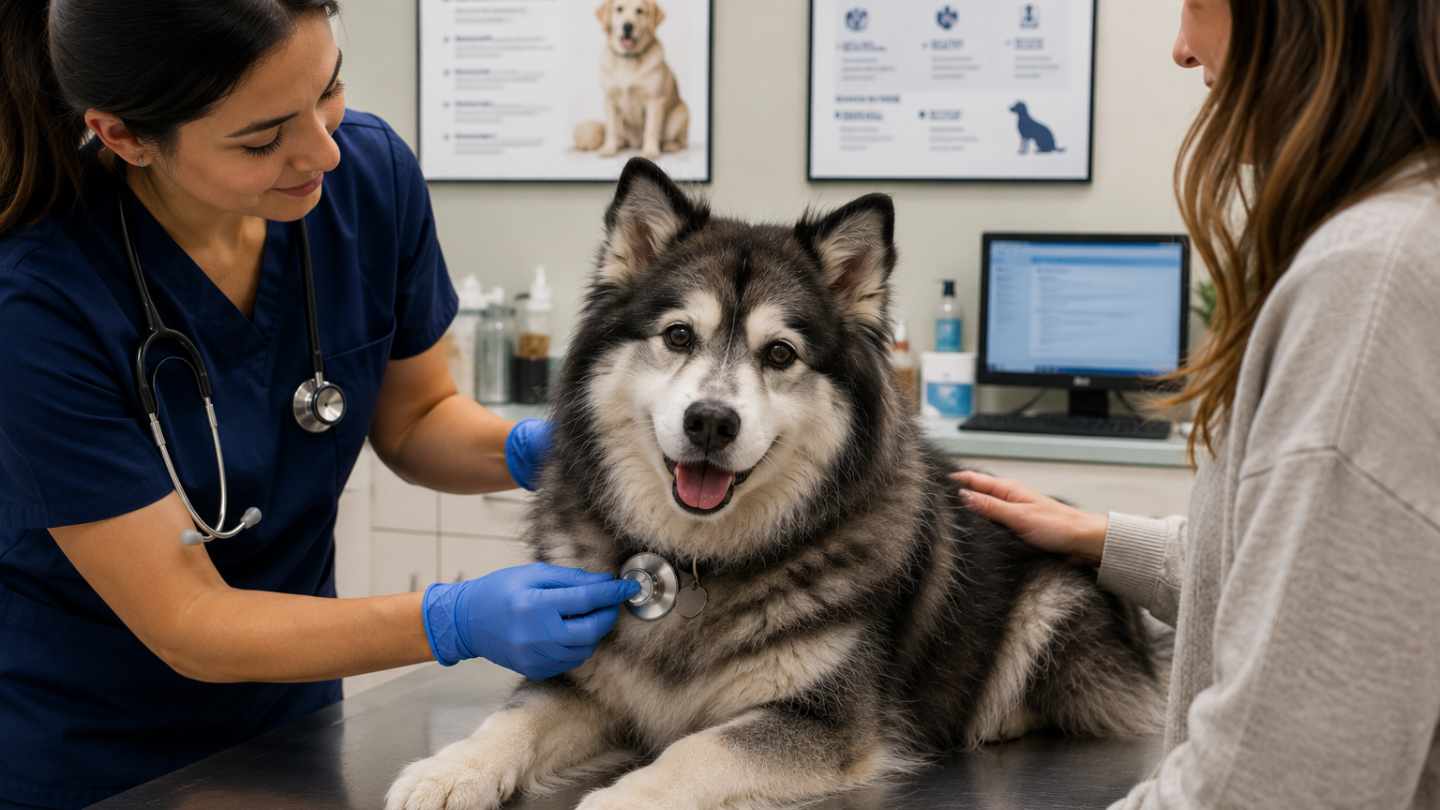
Your dog isn’t quite himself today. He’s not sick exactly. Just different. He didn’t jump on the couch this morning. He didn’t beg for breakfast. He’s just lying there, looking tired.
Your cat is the same way. Usually energetic. Now she’s sleeping all day. Not eating her favorite treats. Just quiet. You tell yourself it’s nothing. Maybe they’re having an off day. Maybe the weather is affecting them. Probably fine.
But somewhere deep down, you know something is different. Sometimes that “something off” is a parasite getting started. Parasites don’t announce themselves with dramatic symptoms. They start quietly. Small. Just subtle changes you might miss or explain away as nothing.
What Early Infection Looks Like vs. Advanced Infection
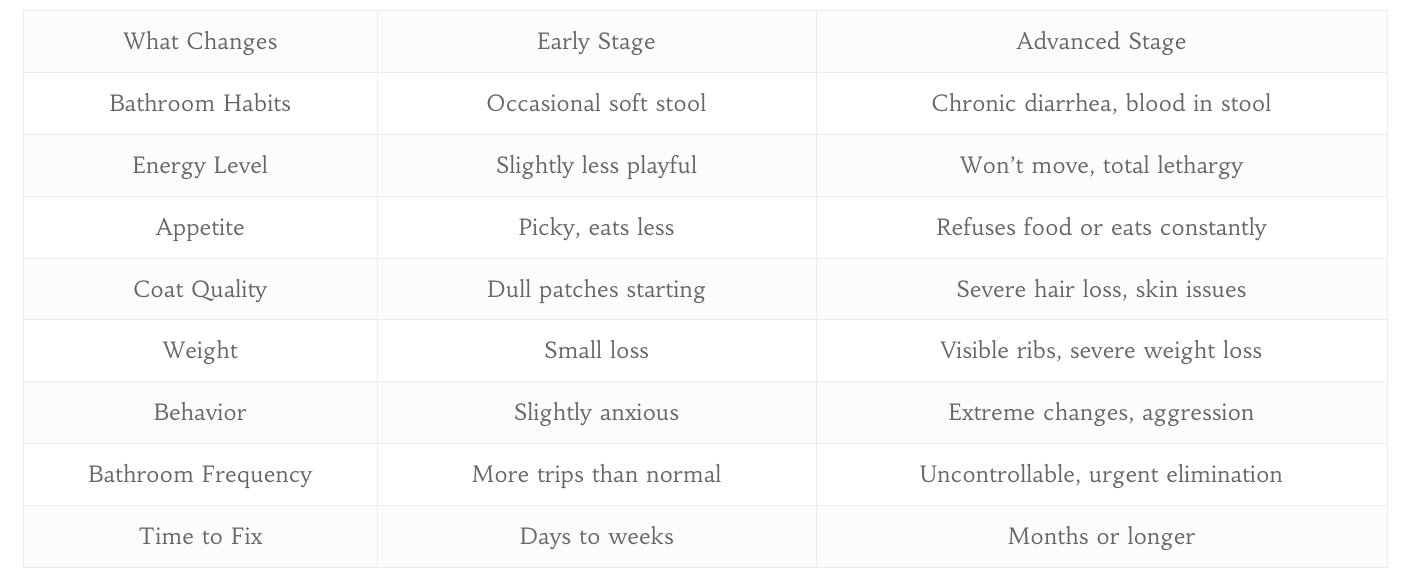
What ChangesEarly StageAdvanced StageBathroom HabitsOccasional soft stoolChronic diarrhea, blood in stoolEnergy LevelSlightly less playfulWon’t move, total lethargyAppetitePicky, eats lessRefuses food or eats constantlyCoat QualityDull patches startingSevere hair loss, skin issuesWeightSmall lossVisible ribs, severe weight lossBehaviorSlightly anxiousExtreme changes, aggressionBathroom FrequencyMore trips than normalUncontrollable, urgent eliminationTime to FixDays to weeksMonths or longer
Why Catching This Early Actually Changes Everything
My dog had parasites once. I caught them early—just slightly soft stools and less energy. Took him to the vet. Got treatment. Done in two weeks. He bounced back immediately.
My friend waited longer with her dog. She thought it was just a phase. By the time she took him in, he’d lost significant weight. His immune system was compromised. Recovery took months.
The difference between those two situations wasn’t complicated. It was timing. When you catch parasites early, treatment is simple. Your pet recovers quickly. Damage is minimal. Life moves on.
When you wait too long, parasites damage your pet’s intestinal lining. They prevent nutrient absorption. They weaken the entire immune system. By then, you’re dealing with serious, lasting health issues. Giarcidia exists to help pet owners catch parasites early. Not waiting for the infection to get serious. But catching it the moment it starts.
The First Sign: bathroom Changes
Your Pet’s Litter Box or Yard Tells the Real Story
I noticed it first with soft stools. Nothing dramatic. Just slightly softer than normal. At first, I thought he ate something weird. Then it happened again. And again.
Not full diarrhea. Just consistently off. That’s usually where it starts. Not something obvious. Just slightly different from your pet’s normal bathroom pattern.
What to actually watch for:
- Soft stools before diarrhea develops
- More bathroom trips than your pet’s normal
- Straining or difficulty when going
- Changes in color or consistency
- Stronger smell than normal
Second Sign: Your Pet Stops Eating Like They Used To
Pickiness About Food Is Sometimes More Than Mood
I had a cat who ate absolutely everything. Then one week, she changed. She’d sniff her food and walk away. Food that she loved for years? Suddenly not interested.
I kept buying different food. She’d eat for a day. Then ignore it. Looking back now, that was parasites talking. Her digestive system was irritated. Food didn’t feel good in her body anymore. So she avoided it.
What to watch for:
- Sudden pickiness (when they’ve never been picky)
- Eating less than normal while looking hungry
- Eating more but actually losing weight (parasites stealing nutrients)
- Sudden interest in things they normally ignore
- Refusing treats they always loved
Third Sign: Lower Energy and Exhaustion
Your Pet Just Seems Less Interested in Everything
This one is the easiest to miss because it’s so subtle. Your pet doesn’t have diarrhea. They’re eating okay. But they’re just quieter. Less interested in playing. Sleeping more. Moving more slowly through the house.
With my dog, I noticed he didn’t want to go for walks anymore. He’d stand by the door and look at me like “no thanks.” That wasn’t him at all.
That’s your pet’s body fighting something you can’t see. Parasites steal nutrients. When nutrients are stolen, everything becomes harder. Even basic movement.
What to notice:
- Less interest in play or walks
- Sleeping way more than normal
- Slower movement overall
- Reluctance to climb stairs or jump
- General lethargy that doesn’t match their personality
Fourth Sign: Coat Changes and Dull Fur
Healthy Pets Have Shiny Coats. Parasites Change That
Healthy pet coats are vibrant and shiny. Parasites change that immediately. The coat becomes dull. Lifeless. You might see thinning patches. Excessive shedding. The texture gets weird.
This happens because parasites prevent your pet from properly absorbing nutrients. Without those nutrients, coat health suffers. It’s one of the first places damage shows up.
What to look for:
- Dull, lifeless coat (not just seasonal change)
- Thinning patches or bald spots appearing
- Excessive shedding beyond the normal season
- Greasy or dry texture to the fur
- Loss of that healthy shine
Fifth Sign: Behavior Changes That Concern You
Personality Shifts Often Mean Physical Discomfort
This one scared me the most. My normally friendly dog became anxious and withdrawn. He’d hide. Wouldn’t come when called. Got defensive if you tried to pick him up.
I thought something was seriously wrong. And something was—he had parasites. The discomfort from internal inflammation was changing how he acted.
Behavioral changes often mean physical discomfort. Parasites cause inflammation inside. That creates anxiety. Restlessness. Sometimes aggression isn’t normal.
What to notice:
- Increased anxiety or fear (not normal for your pet)
- Withdrawn or hiding behavior
- Aggression or snapping (uncharacteristic)
- Can’t settle down, always restless
- Excessive vocalization or whining
Different Parasites Leave Different Clues
1. Intestinal Parasites Show Up As Weight Loss
Your pet eats fine but loses weight. That’s the big clue with intestinal parasites. Sometimes you see visible worms in stool. Sometimes the belly looks pot-bellied despite weight loss. The digestion is clearly affected.
2. Giardia: The One That Won’t Stop
Giardia is different from other parasites. It causes chronic diarrhea that lasts weeks or longer. The stools are often mucousy or greasy. Sometimes explosive.
Your pet might seem fine otherwise. But those bathroom issues persist and persist. That persistence is classic Giardia.
3. Fleas and Ticks: The Ones You Can See
These are the obvious ones because you can see them. Excessive scratching. Hair loss from scratching. You might actually see the parasites on your pet’s skin or coat.
In severe cases, you notice signs of anemia—pale gums, weakness, and lethargy. That’s from blood loss.
4. Heartworms: The Serious Threat
Heartworms are dangerous. You might see coughing. Lethargy. Difficulty breathing. Swollen abdomen.
These signs mean a serious disease. Immediate vet care is necessary.
Behavioral Clues You Might Miss Entirely
1. Scooting or Unusual Bathroom Behavior
Some parasites cause irritation around the rear end. Your pet drags their rear on the ground. That’s a sign of real discomfort.
2. Excessive Licking or Chewing
Your pet licks their paws constantly. Chews at their skin. Sometimes it’s allergies. Sometimes it’s parasites causing irritation beneath the surface.
3. Resistance to Normal Activities
Your pet won’t jump up on the couch. Won’t go downstairs. Won’t play with other pets. That reluctance signals internal discomfort.
4. Changes in Sleep Patterns
Your pet sleeps way more than usual. Or seems restless. Can’t get comfortable. Keeps moving around. That’s internal discomfort showing itself.
Once you spot these clues, there are treatment options for different parasite types. Toltrazuril for cats is one option for treating coccidian parasites. But your vet will determine exactly what your pet needs based on their findings.
When To Get to the Vet Immediately
Don’t wait. Get help now if you see these:
Go to the vet immediately for:
- Blood in stool or vomit
- Severe lethargy (won’t move, unresponsive)
- Can’t eat or drink (vomiting everything)
- Extreme weight loss (visible in just days)
- Difficulty breathing or choking
- Abdominal swelling or bloating
- Sudden severe symptoms appearing rapidly
If you see any of these, call your vet now. Don’t wait to see if it improves.
How to Monitor Your Pet At Home Daily
1. Watch Bathroom Habits Closely
Check your pet’s litter box or yard regularly. Note if anything changes in frequency, consistency, or color. Keep it simple but consistent.
2. Notice Energy and Behavior Changes
How is your pet today compared to last week? Is energy down? Behavior different? These comparisons catch early problems before they get worse.
3. Check Coat and Skin Regularly
When petting your pet, feel the coat. Look for dull patches. Notice if shedding is changing. Check skin for irritation or problems.
4. Monitor Eating and Drinking
Is your pet eating their normal amount? Asking for more water? Changes here matter and signal problems.
Keep a Simple Health Log
You don’t need fancy tracking. Just write down observations. “Softer stools this week.” “Less playful than usual.” “Not eating as much.” Looking back at patterns reveals the truth.
Frequently Asked Questions
- Can I spot parasites just by looking at my pet?
Sometimes. Fleas, ticks, and visible worms you can see directly. But most parasites are invisible. You need a vet to confirm what you’re dealing with.
- How long after infection do symptoms appear?
It varies by parasite type. Some show signs within days. Others take weeks. That’s why early monitoring matters. You catch subtle changes before they become obvious problems.
- My pet seems fine but has parasites—is that possible?
Absolutely. Early infections don’t always show obvious signs. That’s why routine vet visits with testing catch infections before symptoms show up.



.svg)
.svg)