
.svg)
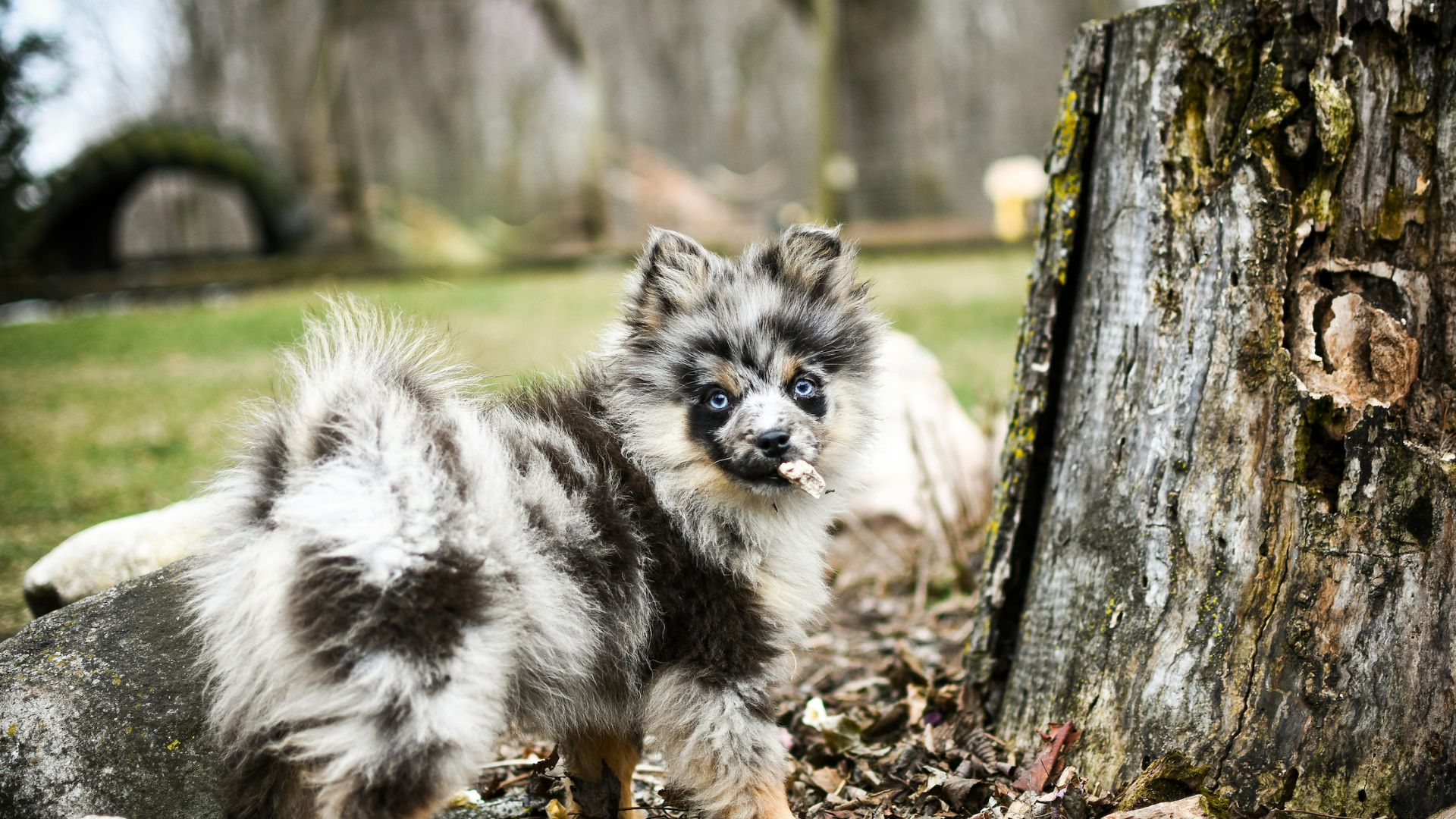
If you own a Pomsky, you already know thisbreed is full of personality. Your pup may be playful, smart, curious,stubborn, affectionate, and a little dramatic all in the same afternoon. Thatis part of what makes Pomskies such lovable family dogs.
But with all that energy and intelligence cancome nervous behavior. Your Pomsky may bark at every new sound, pace when youleave the house, tremble during storms, or get overly excited when guestsarrive. When this happens, it is easy to wonder if your pup is simply beingdifficult or if something deeper is going on.
The truth is that many dogs experience stressand anxiety. One large Finnish study of more than 13,000 dogs found that 72.5%showed at least one highly problematic behavior, and noise sensitivity was themost common anxiety-related trait at 32%. For Pomsky owners, understanding thedifference between normal high energy and true anxiety is the first step towardhelping your dog feel calmer.
Why Pomskies Can Be Prone To Nervous Energy
Pomskies are a mix of the Pomeranian andSiberian Husky, which means they can inherit traits from both sides. You maysee the Husky’s high energy and independence combined with the Pomeranian’salertness and strong attachment to its family. That can create a dog that isincredibly loving, but also very reactive when bored, overstimulated, orunsure.
The Pomsky Owners Association notes thatPomskies may become over-excited because of genetics, curiosity, environmentalnoise, lack of attention, social isolation, or boredom. In other words, yourPomsky may not be trying to misbehave. They may be trying to release energy orrespond to something that feels overwhelming.
This is why calming your Pomsky is not justabout stopping the barking or pacing. It is about helping your dog feel safe,understood, and properly guided.
Common Signs Your Pomsky May Be Anxious
Some Pomskies show anxiety in obvious ways.Others show it through small habits that are easy to miss. You may notice:
● Excessive barking, whining, or howling
● Pacing, shaking, hiding, or clinging to you
● Destructive chewing or digging
● Accidents indoors despite being potty trained
● Heavy panting when your dog is not hot
● Overexcitement when guests arrive
● Refusing food during stressful situations
● Trying to escape from a crate, room, or yard
These behaviors can happen during storms,fireworks, car rides, grooming, vet visits, or when your Pomsky is left alone.Separation anxiety is especially important to watch for because Pomskies oftenbond closely with their families.
If the behavior appears suddenly or seemsextreme, check with your veterinarian. Pain, illness, digestive trouble,allergies, or other health concerns can sometimes look like anxiety.
Start With Exercise and Mental Stimulation
Before you reach for any calming product, lookat your Pomsky’s daily routine. This breed usually needs both physical activityand mental engagement. A bored Pomsky can quickly become a noisy, restless, anddestructive Pomsky.
Regular walks, playtime, short trainingsessions, and enrichment toys can help your pup release energy in a healthyway. The Pomsky Owners Association recommends exercise, redirection, andtraining as important ways to help over-excited Pomskies calm down.
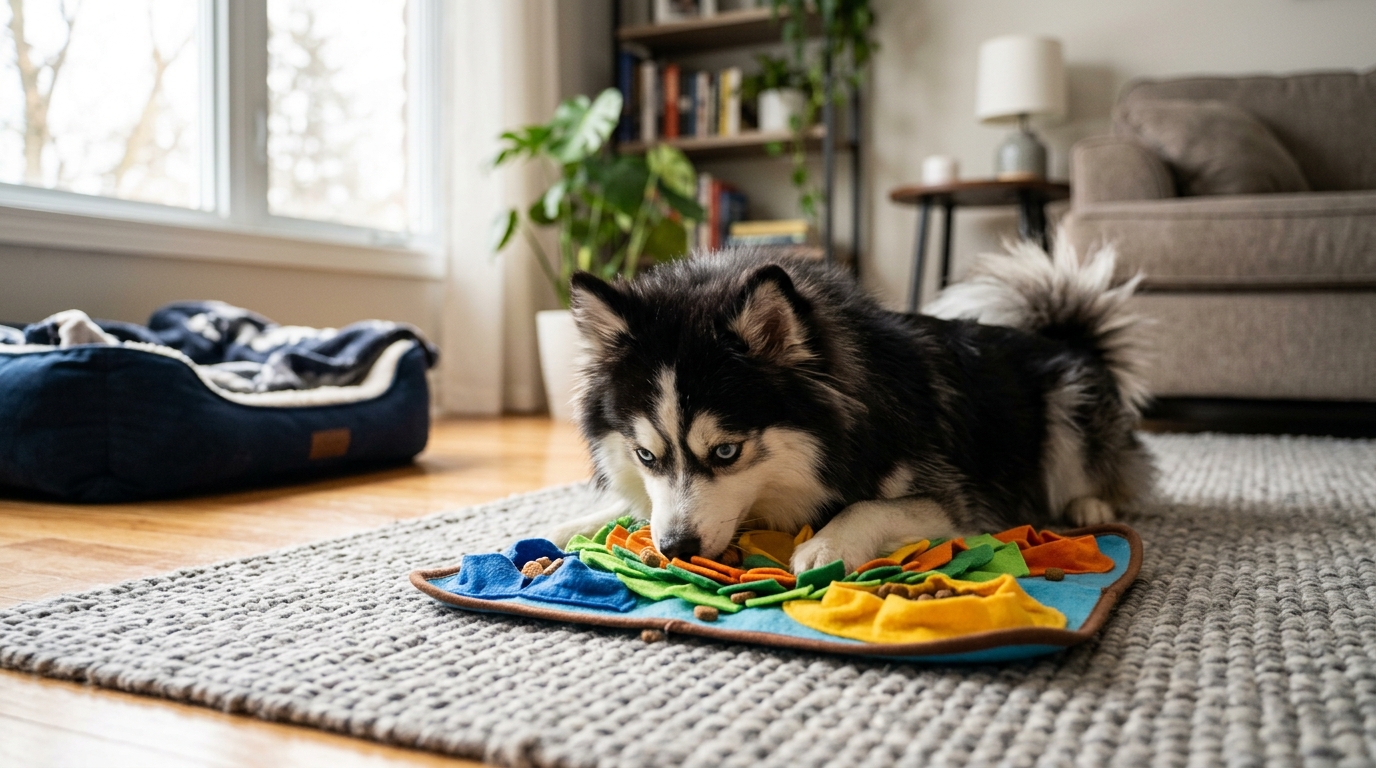
Mental stimulation is just as important. APomsky that has to think will often settle more easily afterward. Try puzzlefeeders, scent games, basic obedience practice, or teaching a new trick. Evenfive to ten minutes of focused training can help your dog shift from wildenergy to calm attention.
Build A Calm Routine Your Pomsky Can Trust
Dogs feel safer when they know what to expect.If your Pomsky’s schedule changes constantly, they may become more reactivebecause they are never sure what comes next.
Try to keep feeding, walking, potty breaks,playtime, and bedtime fairly consistent. You do not need a strict militaryschedule, but your dog should understand the rhythm of the day.
A calm home environment also helps. If yourPomsky reacts to every noise outside, soft music or white noise may reducesudden sound triggers. If your dog gets too excited when visitors arrive,practice greeting routines before company comes over. Ask your Pomsky to sit,reward calm behavior, and avoid giving attention when they are jumping orbarking.
Your goal is not to punish your dog for havingfeelings. Your goal is to teach them what to do when those feelings get big.
Where Calming Supplements May Fit In
Sometimes, training and routine are not enoughon their own. In these cases, a dog calming supplement may help support yourPomsky during stressful moments.
Calming supplements are usually designed topromote relaxation without fully sedating your dog. They may be helpful forpredictable stressors like fireworks, travel, grooming appointments, vetvisits, or temporary changes at home. Some dogs may also benefit from dailycalming support, but that decision is best made with your veterinarian.
Common calming ingredients include L-theanine,L-tryptophan, alpha-casozepine, melatonin, probiotics, and certain herbalblends. PetMD notes that calming products may include ingredients such asprobiotics, L-theanine, melatonin, and alpha-casozepine, though results varydepending on the dog and product.
There is also growing interest in thegut-brain connection. Some research suggests that gut health may influencestress and behavior in dogs, which is one reason probiotics are sometimesincluded in calming formulas.
How To Choose A Safe Calming Product
Not every product is right for every Pomsky.Your dog’s age, weight, health history, medications, and anxiety level allmatter.
When comparing calming options, look for:
● Clear dosage instructions based on weight
● A full ingredient list
● Products made specifically for dogs
● Third-party testing or quality standards whenavailable
● No xylitol, unsafe essential oils, or unclear“proprietary” blends
● Veterinary guidance, especially for puppies or dogswith health issues
Avoid giving your Pomsky human supplementsunless your vet specifically approves them. Some ingredients that are safe forpeople can be unsafe for dogs, and dosing can be very different.
Training Still Matters Most
A supplement can support calm behavior, but itcannot replace training. If your Pomsky panics every time you leave, thelong-term answer is not just a chew or tablet. Your dog needs gradualalone-time training, confidence building, and positive reinforcement.
Start small. Leave the room for a few seconds,return calmly, and reward quiet behavior. Slowly increase the time. Do not makedepartures or returns overly emotional. Your Pomsky learns from your energy, sostaying calm helps them understand that leaving and coming back is normal.
If your dog reacts to sounds, practice gentledesensitization. Play storm or fireworks sounds at a low volume while givingtreats or praise. Over time, increase the volume only if your Pomsky staysrelaxed.
When To Get Professional Help
If your Pomsky is hurting themselves,destroying doors or crates, showing aggression, refusing to eat, or panickingoften, it is time to ask for help. A veterinarian, certified trainer, orveterinary behaviorist can help create a plan that fits your dog’s needs.
Severe anxiety is not something your Pomskycan simply “get over.” With the right support, many dogs improve, but they needpatience and consistency from you.
Final Thoughts
Your Pomsky’s big personality is part of whyyou love them. But when that energy turns into anxiety, your pup needsguidance, not frustration.
Start with the basics: exercise, mentalstimulation, routine, training, and a calm environment. Then, talk with yourvet about whether calming support makes sense for your dog. When you combinesmart care with patience and love, you give your Pomsky the best chance tobecome a calmer, happier, and more confident companion.


.svg)
.svg)