
.svg)
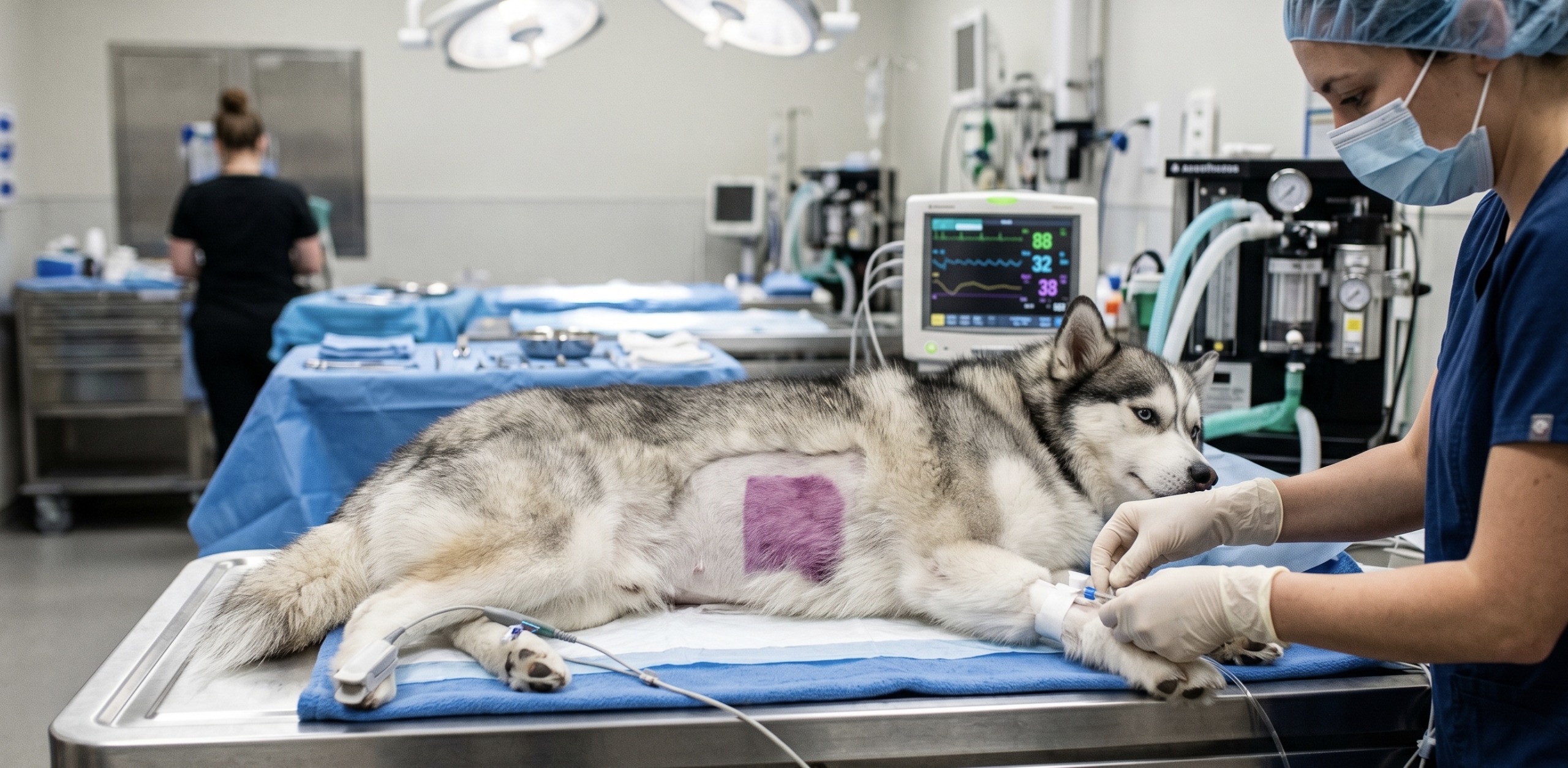
Nearly 2.4 million pets undergo surgery annually in the United States, yet veterinary studies show that up to 30% of post-surgical complications stem from inadequate preparation and aftercare—not surgical technique itself. The difference between a smooth recovery and weeks of stress often comes down to what happens before your pet ever reaches the operating table.
Pet surgery has evolved dramatically in recent years, with advanced anesthesia protocols and minimally invasive techniques making procedures safer than ever. But this technological progress has also revealed how critical proper preparation has become. Modern anesthesia requires precise timing, specific physiological conditions, and careful behavioral management to work effectively. The margin for error in preparation has actually decreased as surgical precision has increased.
Whether you’re facing a routine spay or a complex orthopedic procedure, the preparation and recovery process directly impacts your pet’s safety, comfort, and healing timeline. Many clinics that provide comprehensive surgery services for pets emphasize that proper preparation and recovery planning are essential parts of the treatment process, not just the procedure itself. Veterinary anesthesiologists now recognize that a pet’s stress level, fasting compliance, and pre-surgical health status can affect everything from anesthesia dosage to pain management effectiveness.
Here’s what veterinary medicine has learned about getting surgery preparation right—and how understanding these principles can transform your pet’s surgical experience from stressful to manageable.
What Is Pet Surgery Preparation and Why It Matters
Pet surgery preparation encompasses far more than the obvious pre-operative fasting. It’s a coordinated physiological and behavioral conditioning process that begins days before surgery and extends through the initial recovery period. The goal isn’t just getting your pet to the clinic safely—it’s optimizing their body’s response to anesthesia and creating conditions that support faster, more comfortable healing.
The stakes have gotten higher as veterinary anesthesia has become more sophisticated. Modern anesthetic protocols are precisely calibrated based on your pet’s weight, age, health status, and stress level. A pet that arrives dehydrated from excessive fasting, anxious from poor handling, or compromised by an underlying condition that wasn’t identified requires real-time adjustments that increase both anesthetic risk and recovery time.
Pre-surgical blood work has become the foundation of safe anesthesia because it reveals how your pet’s organs will process anesthetic drugs. Kidney and liver function directly affect how quickly anesthesia clears the system. Heart conditions influence which drugs can be used safely. Even seemingly minor abnormalities in blood chemistry can require protocol changes that prevent serious complications.
The preparation process also serves as an early warning system. Stress responses that emerge during the pre-surgical period often predict post-operative complications. A pet showing anxiety signs three days before surgery may need sedation protocols, while a pet that refuses food during normal fasting might be developing an underlying condition that requires surgical delay.
Understanding this broader context helps explain why your veterinarian’s pre-surgical instructions are so specific about timing, fasting duration, and behavioral monitoring. Each element serves a distinct purpose in creating optimal conditions for both anesthesia safety and surgical success.
How Does Preparing Your Pet for Surgery Work?
The preparation process follows a carefully orchestrated timeline designed to optimize your pet’s physiological state while minimizing stress. Most veterinarians begin serious preparation 3-7 days before surgery, though the specific timeline depends on the procedure complexity and your pet’s health status.
Physical preparation starts with a comprehensive examination that evaluates cardiac, respiratory, and organ function. Your veterinarian is looking for conditions that might complicate anesthesia—heart murmurs, respiratory irregularities, or signs of kidney or liver compromise. These aren’t necessarily surgical disqualifiers, but they require protocol adjustments and additional monitoring.
The examination also includes weight verification for precise drug dosing, temperature assessment to establish baseline vital signs, and hydration evaluation. Dehydrated pets face increased anesthetic risk because their cardiovascular system can’t maintain stable blood pressure under anesthesia. This is why some pets receive subcutaneous fluids before surgery even when they seem normally hydrated.
Vaccination status verification has become increasingly important as veterinary hospitals implement stricter infection control protocols. Updated vaccinations aren’t just about protecting your pet—they’re about preventing disease transmission in a clinical environment where immunocompromised animals may be present.
Behavioral assessment during the preparation visit helps your veterinary team plan handling and sedation strategies. Pets showing severe anxiety may receive pre-medication to reduce stress hormones that can interfere with anesthesia effectiveness. The goal is identifying pets who need additional support before they reach a crisis state.
The Role of Fasting Before Pet Surgery
Fasting protocols exist to prevent aspiration pneumonia—a potentially fatal condition where stomach contents enter the lungs during anesthesia. When pets are anesthetized, they lose the reflexes that normally prevent vomiting and protect the airway. Even small amounts of food or water in the stomach can become life-threatening if aspirated.
The standard fasting protocol requires 12 hours without food for adult dogs and cats, with water typically restricted for 2-4 hours before anesthesia. However, these timelines aren’t universal. Puppies and kittens under 16 weeks may fast for only 4-6 hours because their smaller body mass makes them prone to dangerous blood sugar drops. Senior pets with diabetes require modified protocols to prevent hypoglycemic episodes.
Common fasting mistakes include giving treats or medications without veterinary approval, allowing access to outdoor water sources, or not accounting for multiple pets sharing food. Even small violations can require surgery postponement because the safety margin disappears once stomach contents are present.
Some pets receive pre-operative medications that must be given with small amounts of food despite fasting requirements. Your veterinarian will provide specific instructions about timing and food quantities for these situations. Never assume that “just a tiny bit” won’t matter—anesthetic safety depends on precise adherence to fasting protocols.
Proper hydration before fasting begins helps pets tolerate the food and water restriction more comfortably. Encouraging normal water intake up to the restriction deadline prevents the additional stress of dehydration during an already challenging period.
Pre-Surgery Blood Tests and Their Importance
Complete blood chemistry panels have become the cornerstone of anesthetic safety because they reveal how your pet’s body will process and eliminate anesthetic drugs. The liver metabolizes most anesthetic agents, while the kidneys handle elimination. Compromised function in either organ system requires significant protocol adjustments to prevent drug accumulation and toxicity.
Kidney function markers like blood urea nitrogen (BUN) and creatinine indicate how effectively waste products are being filtered. Elevated levels suggest reduced kidney function, which means anesthetic drugs will clear more slowly from the system. Pets with kidney compromise may require fluid therapy, modified drug selection, or extended monitoring periods.
Liver enzyme elevations signal potential problems with drug metabolism. The liver processes most anesthetic agents into forms that can be safely eliminated. When liver function is compromised, standard drug doses can become toxic because the body can’t break them down effectively.
Blood protein levels affect how anesthetic drugs bind and circulate in the bloodstream. Low protein levels, often seen in older pets or those with chronic conditions, mean more active drug remains available to affect the nervous system. This requires dose adjustments to prevent overdosing.
Red blood cell counts reveal the oxygen-carrying capacity of your pet’s blood. Anemic pets may need supplemental oxygen support or blood transfusions before surgery can proceed safely. The stress of anesthesia and surgery increases oxygen demands precisely when compromised pets are least able to meet them.
Even pets with abnormal blood work can often undergo surgery safely with appropriate modifications. The key is identifying these conditions beforehand rather than discovering them during anesthesia when options for intervention are limited.
Common Signs of Stress in Pets During Surgery Preparation
Behavioral stress indicators often appear 24-48 hours before surgery as pets sense changes in their routine and environment. Dogs may exhibit excessive panting, pacing, decreased appetite, or clingy behavior. They’re remarkably sensitive to their owners’ anxiety levels, so your own stress about the upcoming procedure can amplify their distress.
Cats typically show stress through withdrawal behaviors—hiding, refusing to eat, or eliminating outside the litter box. Unlike dogs, cats often internalize stress rather than displaying obvious anxiety. A cat that seems “fine” may actually be experiencing significant physiological stress that can complicate anesthesia.
Physical stress manifestations include changes in eating and drinking patterns, sleep disruption, digestive upset, or excessive grooming. These responses indicate elevated stress hormone levels that can interfere with anesthesia effectiveness and slow post-operative healing.
Stress-induced physiological changes affect anesthetic requirements and surgical outcomes. Chronically stressed pets often need higher anesthetic doses to achieve adequate sedation, while acute stress can cause blood pressure fluctuations that complicate surgical monitoring. Elevated cortisol levels also suppress immune function, increasing infection risk.
The preparation period offers an opportunity to identify pets who need additional support before surgery day. Pre-operative anti-anxiety medications can be prescribed for pets showing significant stress responses. These aren’t just for comfort—they’re medical interventions that improve anesthetic safety and surgical outcomes.
Environmental modifications during the preparation period can also reduce stress accumulation. Maintaining normal routines as much as possible, limiting disruptions, and providing familiar comfort items help pets cope with the approaching change. The goal is preventing stress escalation rather than trying to calm an already overwhelmed pet on surgery day.
What to Expect During Pet Surgery Preparation Day
Surgery day typically begins early, with most veterinary hospitals scheduling procedures in the morning to allow full-day recovery monitoring. You’ll likely receive specific arrival time instructions that account for your pet’s position in the surgical schedule and any required pre-operative procedures.
Check-in procedures include final weight verification for drug dosing, vital sign assessment, and a brief physical examination to confirm your pet’s readiness for anesthesia. This isn’t just routine—veterinarians are specifically looking for any changes since the pre-surgical examination that might affect anesthetic safety.
Your veterinary team will review the surgical consent form and anesthetic protocols, explaining any modifications based on your pet’s blood work or physical status. This is your opportunity to ask final questions about the procedure, expected recovery timeline, and post-operative care requirements.
Pre-operative medication administration often begins 30-60 minutes before anesthesia induction. These drugs serve multiple purposes: reducing anxiety, providing initial pain control, and creating smoother anesthetic induction. The specific medications depend on your pet’s species, size, health status, and the planned procedure.
Anesthetic induction typically occurs through intravenous injection once your pet is calm and comfortable. Modern anesthetic agents work rapidly, with most pets becoming unconscious within 30-60 seconds. Your pet will be intubated to maintain airway protection and receive anesthetic gas to maintain unconsciousness throughout the procedure.
Monitoring during surgery includes continuous assessment of heart rate, blood pressure, oxygen saturation, and body temperature. Many hospitals use sophisticated monitoring equipment that tracks multiple parameters simultaneously, alerting the surgical team to any concerning changes.
The recovery process begins immediately after surgery completion, with your pet moved to a quiet recovery area where they’re monitored continuously as anesthesia wears off. Most pets begin showing signs of consciousness within 15-30 minutes, though full alertness may take several hours depending on the procedure length and anesthetic agents used.
Best Practices for Reducing Pet Anxiety Before Surgery
Early intervention strategies work more effectively than last-minute calming attempts. Beginning anxiety management 3-5 days before surgery allows you to identify what works for your pet and implement a gradual conditioning process rather than sudden changes that may increase stress.
Routine maintenance helps minimize disruption to your pet’s sense of security. Keep feeding schedules, exercise patterns, and sleeping arrangements as normal as possible until fasting requirements begin. Dramatic changes in routine often cause more anxiety than the surgery itself.
Environmental conditioning can help pets associate positive experiences with elements they’ll encounter on surgery day. Brief car rides to pleasant destinations, positive interactions with strangers, and exposure to carrying cases or leashes in non-stressful contexts help reduce fear responses when these elements appear on surgery day.
Using Calming Techniques and Sedation Methods
Natural calming approaches include pheromone diffusers, which release synthetic versions of the calming chemicals that mother dogs and cats produce. These work best when introduced several days before surgery to allow time for behavioral conditioning. Pheromones aren’t sedatives—they create a subtle sense of familiarity and security.
Nutraceutical supplements containing L-theanine, tryptophan, or other calming compounds can help reduce baseline anxiety levels when started 3-5 days before surgery. These supplements work gradually to support the nervous system’s natural calming mechanisms rather than providing immediate sedation.
Prescription anti-anxiety medications offer more reliable results for pets with severe stress responses. Medications like gabapentin or trazodone can be prescribed for at-home use in the days preceding surgery, creating a calmer baseline that makes surgery day management easier.
Behavioral conditioning techniques include desensitization to handling, positive reinforcement for calm behavior, and gradual exposure to medical equipment. These approaches work best for pets with surgery scheduled weeks in advance but can provide some benefit even with shorter preparation periods.
Impact of Stress on Anesthesia Safety
Physiological stress responses directly affect anesthetic requirements and safety margins. Stressed pets often have elevated heart rates, increased blood pressure, and higher cortisol levels that can interfere with normal drug metabolism. This creates a cascade effect where stressed pets need more anesthetic drugs to achieve adequate sedation, but their stressed physiology makes them more sensitive to drug side effects.
Cardiovascular complications become more likely when pets arrive at surgery in a high-stress state. Elevated adrenaline levels can cause irregular heart rhythms, while stress-induced blood pressure spikes increase the risk of bleeding during surgery. These effects can persist into the recovery period, prolonging healing time.
Immune system suppression occurs with chronic stress, reducing your pet’s ability to fight infections and heal surgical incisions. Stress hormones like cortisol actively suppress white blood cell function, making post-operative complications more likely in pets who experience prolonged anxiety.
Recovery complications correlate strongly with pre-operative stress levels. Stressed pets often experience more post-operative nausea, delayed return to normal appetite, and behavioral changes that persist beyond the expected recovery period. They may also require higher doses of pain medication, extending the recovery timeline.
Understanding these connections explains why veterinarians now consider anxiety management a medical necessity rather than a comfort measure. Reducing pre-operative stress isn’t just about making pets feel better—it’s about improving surgical outcomes and minimizing complications.
Essential Pre-Surgery Examinations and Screening Procedures
Comprehensive physical examinations serve as the foundation for safe anesthetic protocols, going far beyond routine wellness checks. Your veterinarian systematically evaluates cardiovascular function through heart rate assessment, murmur detection, and pulse quality evaluation. Even minor heart irregularities can require modified anesthetic approaches or additional cardiac monitoring during surgery.
Respiratory system evaluation includes lung sound assessment and breathing pattern observation. Pets with respiratory compromise need supplemental oxygen support and careful anesthetic agent selection to avoid further respiratory depression. Brachycephalic breeds (flat-faced dogs and cats) require special consideration due to their increased risk of airway obstruction.
Lymph node palpation helps identify signs of infection or immune system compromise that might not be apparent from external observation. Enlarged lymph nodes can indicate underlying conditions that affect healing capacity or increase anesthetic risk.
Abdominal palpation reveals organ enlargement, masses, or fluid accumulation that could complicate surgery or indicate concurrent conditions requiring treatment. These findings might necessitate additional diagnostic testing or surgical plan modifications.
Laboratory screening protocols have evolved to include more comprehensive testing as technology has advanced. Beyond basic blood chemistry, many hospitals now include coagulation testing to assess blood clotting ability, especially important for surgical procedures where bleeding control is critical.
Urinalysis provides insights into kidney function and overall metabolic health that complement blood testing. Concentrated urine might indicate dehydration requiring pre-operative fluid therapy, while protein or glucose in urine can signal underlying conditions affecting anesthetic safety.
Electrocardiogram (ECG) screening has become routine for pets over seven years old or those with detected heart irregularities. The ECG provides detailed information about heart rhythm and electrical conduction that influences anesthetic drug selection and monitoring protocols.
Advanced screening may include chest radiographs for older pets or those with respiratory concerns, providing visual confirmation of heart and lung health. These images can reveal conditions like enlarged hearts, lung masses, or fluid accumulation that significantly impact anesthetic safety.
Post-Surgery Care Tips for a Smooth Pet Recovery
Immediate post-operative care begins the moment your pet arrives home, focusing on providing a calm, secure environment that supports healing while preventing complications. The first 24-48 hours are critical for establishing patterns that will define the entire recovery period.
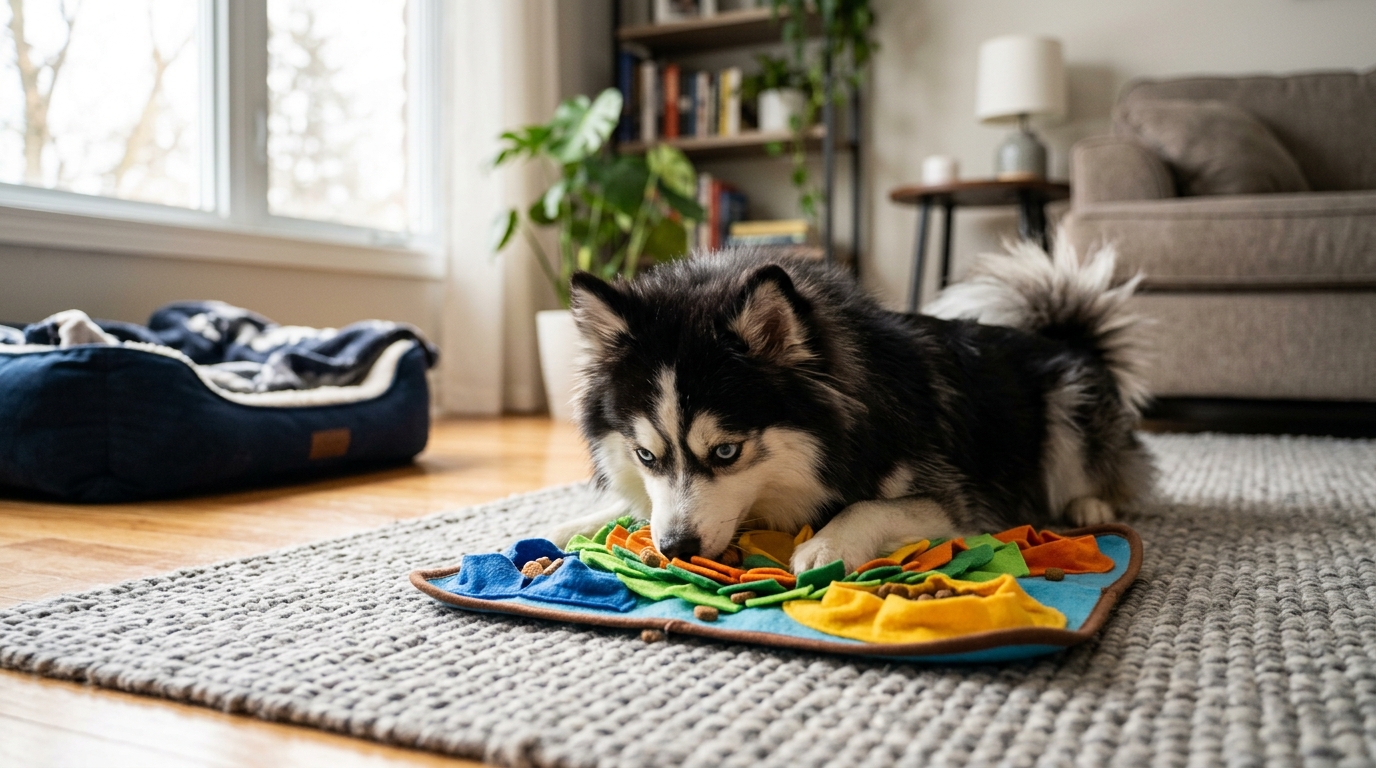
Environmental preparation should be completed before your pet returns home. Create a quiet recovery space away from household traffic, other pets, and stimulating activities. This area should include comfortable bedding that’s easy to clean, access to water, and adequate lighting for monitoring without being disturbing.
Activity restriction following surgery prevents complications like incision dehiscence (splitting open) or internal bleeding. Most pets require limited exercise for 10-14 days, meaning leashed walks for elimination only and no running, jumping, or rough play. This restriction often proves more challenging for owners than pets, but compliance directly affects healing success.
Pain management protocols now recognize that adequate pain control improves healing outcomes beyond just comfort considerations. Modern pain medications work best when given consistently rather than only when pets show obvious discomfort. Many pets mask pain instinctively, so scheduled medication administration prevents suffering and supports faster recovery.
Incision monitoring requires daily assessment for signs of complications without disturbing the healing process. Normal healing involves mild swelling and slight redness immediately around the incision line. Warning signs include excessive swelling, discharge, gap openings, or increasing redness that extends beyond the immediate incision area.
Feeding modifications may be necessary as pets recover from anesthesia effects. Start with small amounts of easily digestible food, gradually returning to normal portions as appetite and digestion normalize. Some pets experience mild nausea for 24-48 hours post-surgery, making small, frequent meals more successful than large portions.
Behavioral changes during recovery are normal but should be monitored for duration and severity. Temporary lethargy, reduced appetite, and mild disorientation typically resolve within 2-3 days. Prolonged depression, aggressive behavior changes, or persistent appetite loss warrant veterinary consultation.
The recovery period offers an opportunity to strengthen your bond with your pet through attentive care while ensuring optimal healing. Understanding what constitutes normal post-operative changes versus concerning complications allows you to provide appropriate support without unnecessary anxiety. Modern veterinary surgery achieves excellent outcomes when proper preparation meets conscientious aftercare—creating the foundation for your pet’s return to full health and activity.



.svg)
.svg)